The closest hospital to Canoga Park also contains the one unit in the area where the answer to flowers is always no. West Hills Hospital and Medical Center at 7300 Medical Center Drive, barely two miles west of 91303, houses the Grossman Burn Center, and burn units do not take cut flowers, potted plants, or anything else that carries soil, spores or standing water — the infection risk is not negotiable and no florist can talk a nurse out of it. That is the useful frame for every get-well order in this neighborhood: the city is easy, the unit is the question. A general medical-surgical floor at the same hospital will happily accept a small vase arrangement at the nurses' station. Two floors away, an intensive care bay will not. Before you order anything for a hospital room here, call the nursing station for that specific unit, ask what they allow, and then tell us what they said. Thirty seconds of phone call is the difference between a bouquet on a windowsill and a bouquet in a hallway.
The restrictions worth knowing before you order, because they repeat from hospital to hospital. Intensive care, cardiac care and step-down units commonly bar flowers and plants outright — the bays are small, the equipment crowds the surfaces, and staff will not manage water near monitors. Oncology, bone-marrow transplant and other immunocompromised floors typically refuse potted plants because of soil-borne mold, and refuse lilies specifically: heavy pollen, heavy scent, and a smell that reads as nausea to a patient on chemotherapy. Neonatal intensive care almost never accepts anything into the unit, although a parents' room or the family's home usually can. Burn and transplant units, including the Grossman Burn Center at West Hills, are effectively closed to flowers. Behavioral health units restrict glass vases, wire, ribbon and anything with a hard stem. And latex balloons are banned across essentially every Los Angeles hospital on allergy grounds, with plenty of floors now refusing mylar as well because of the equipment interference; do not attach one and assume it will travel.
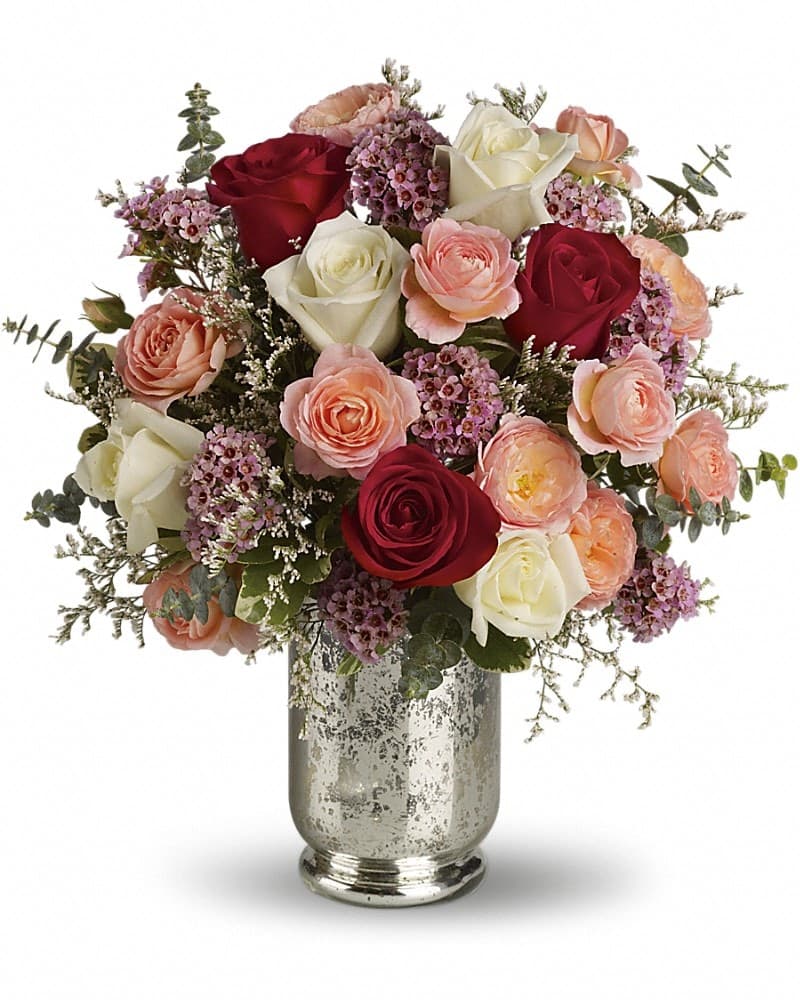
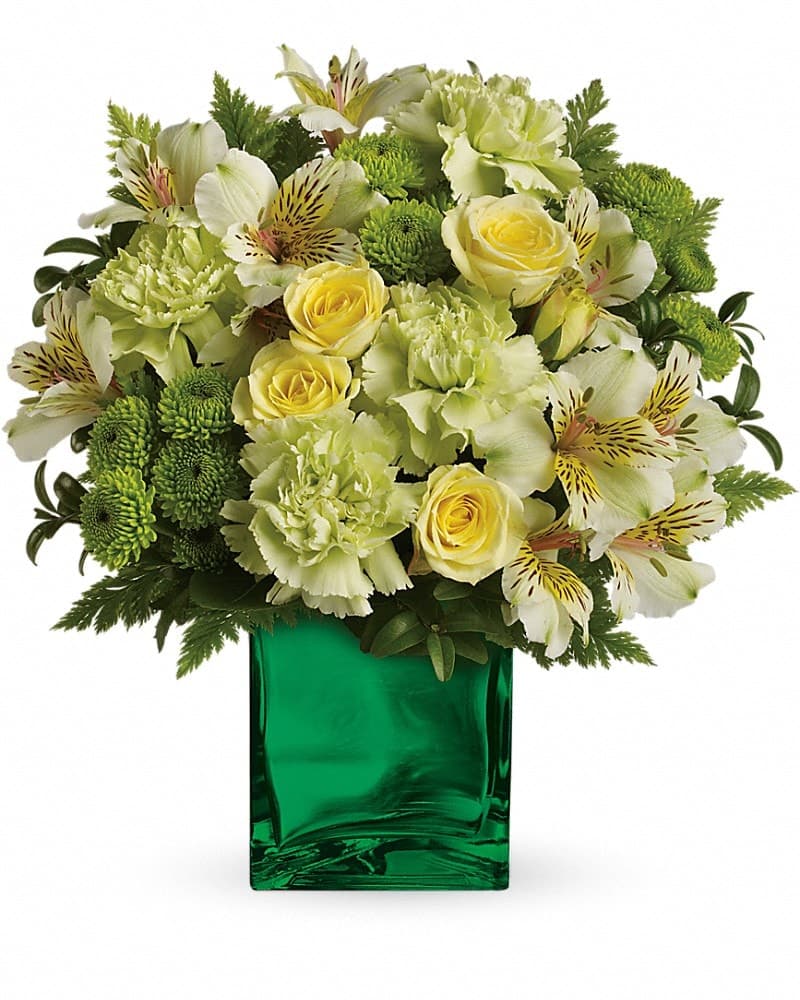
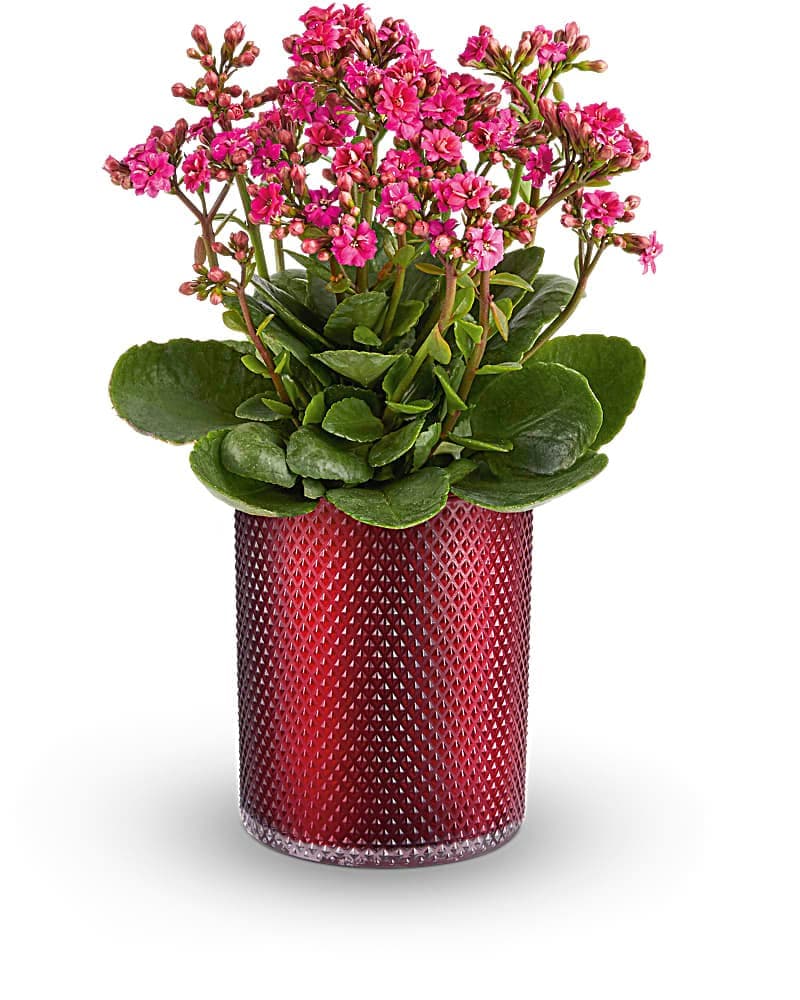
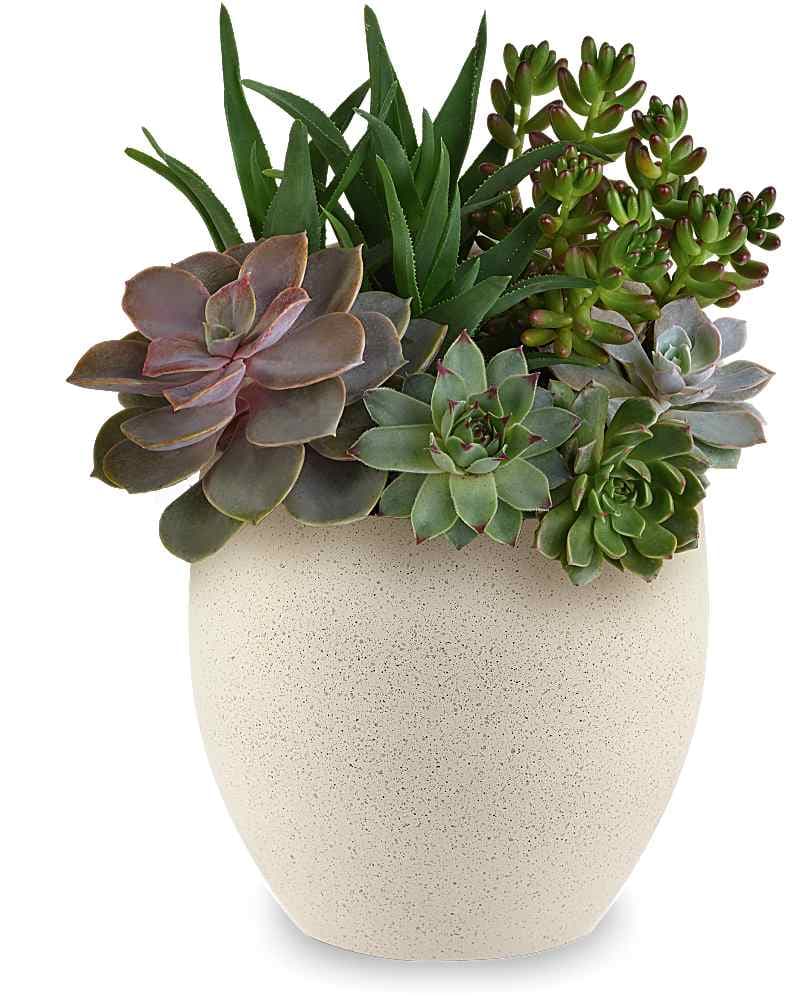
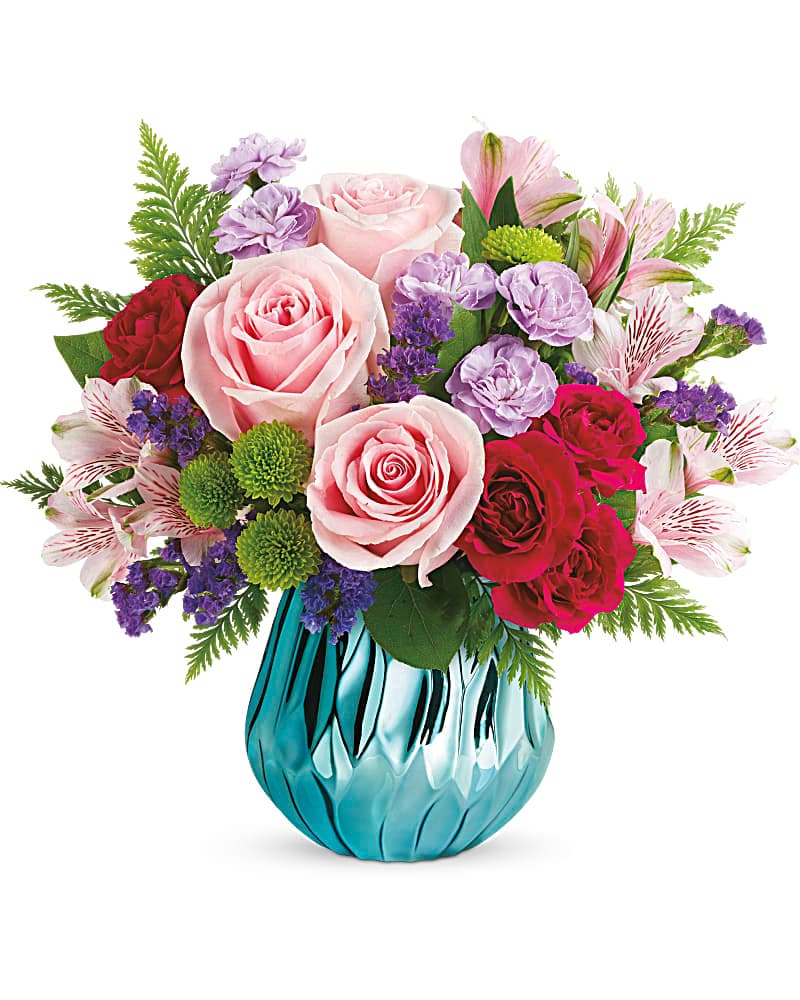
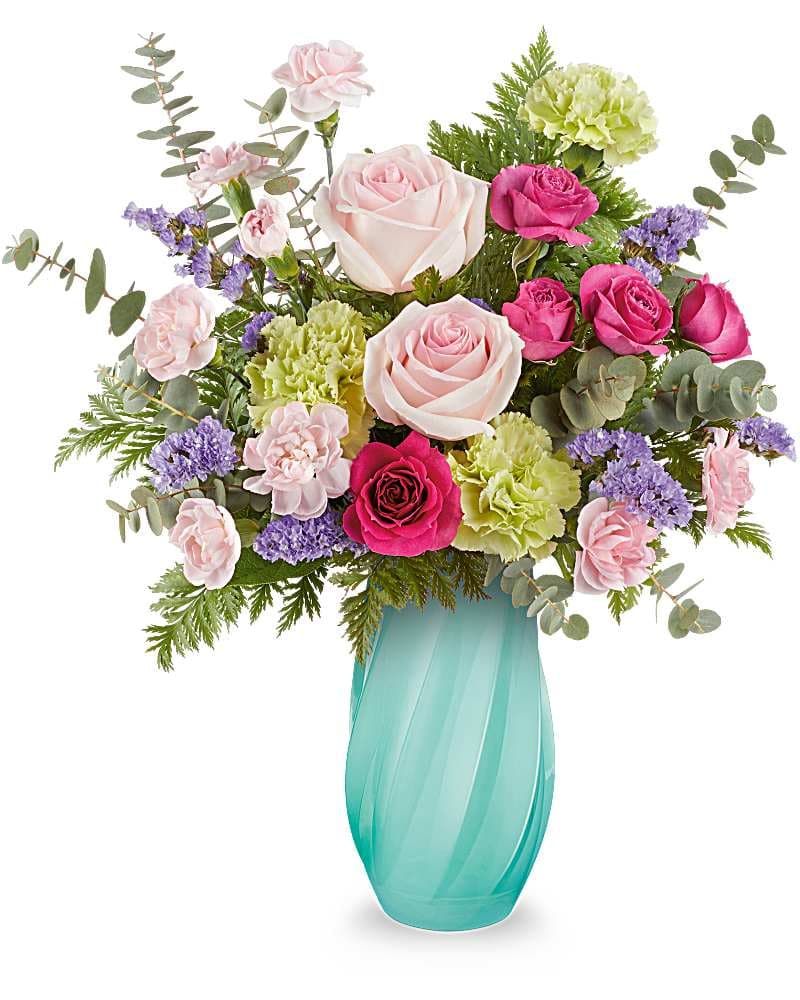
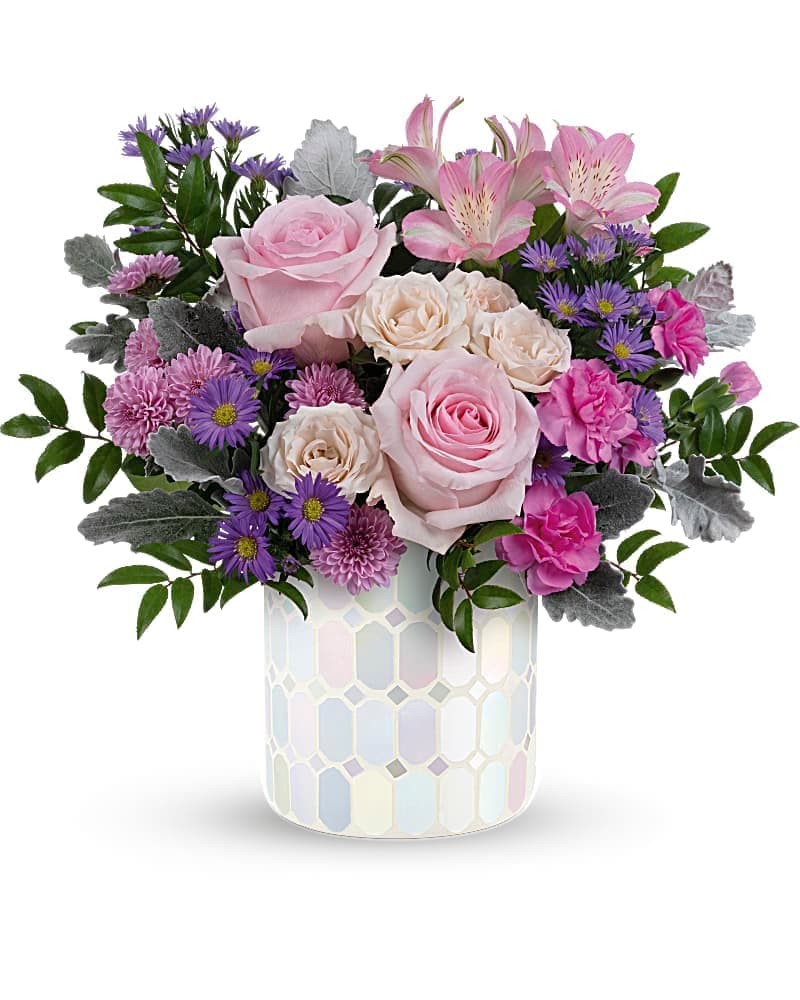
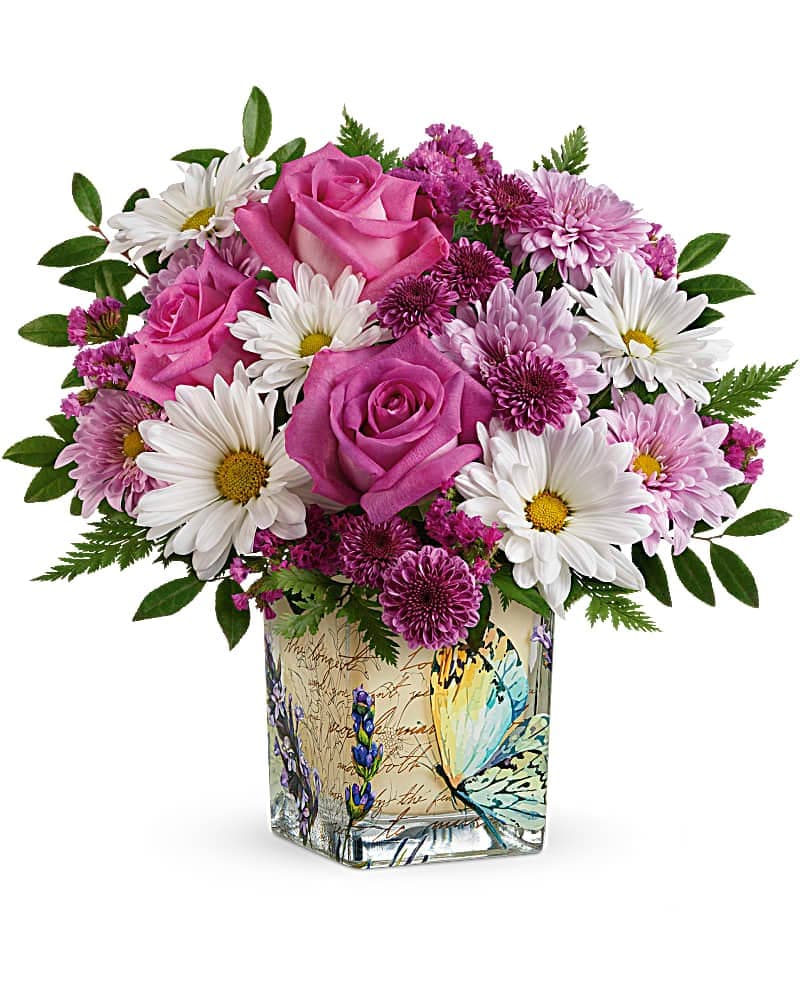
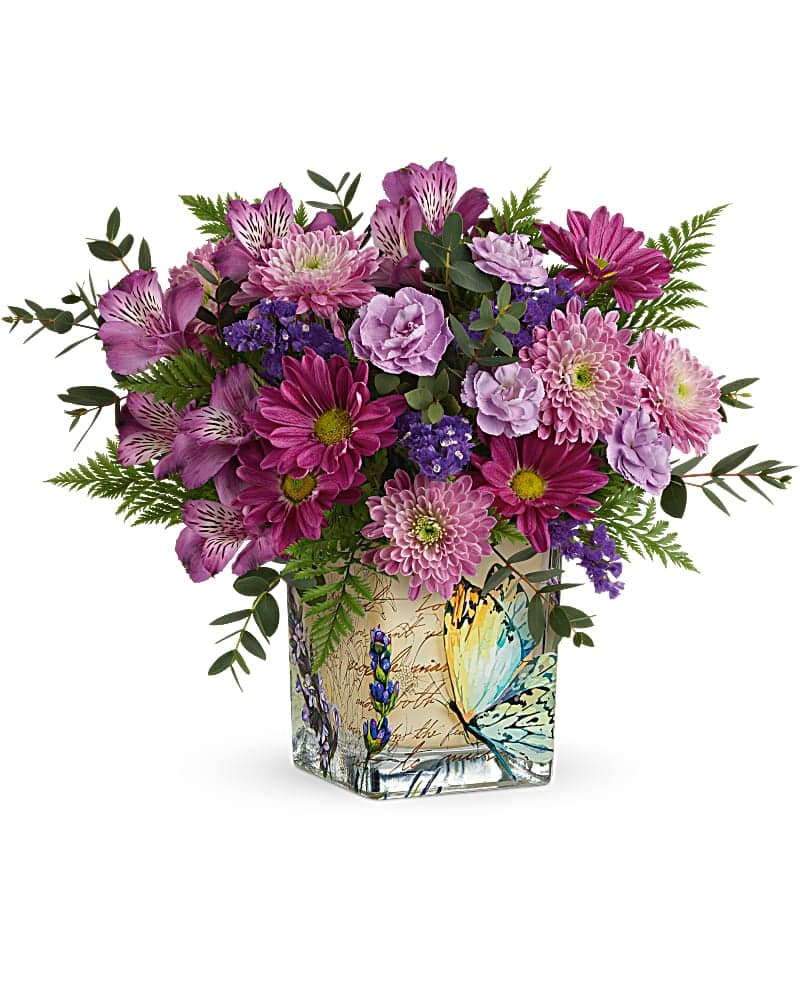
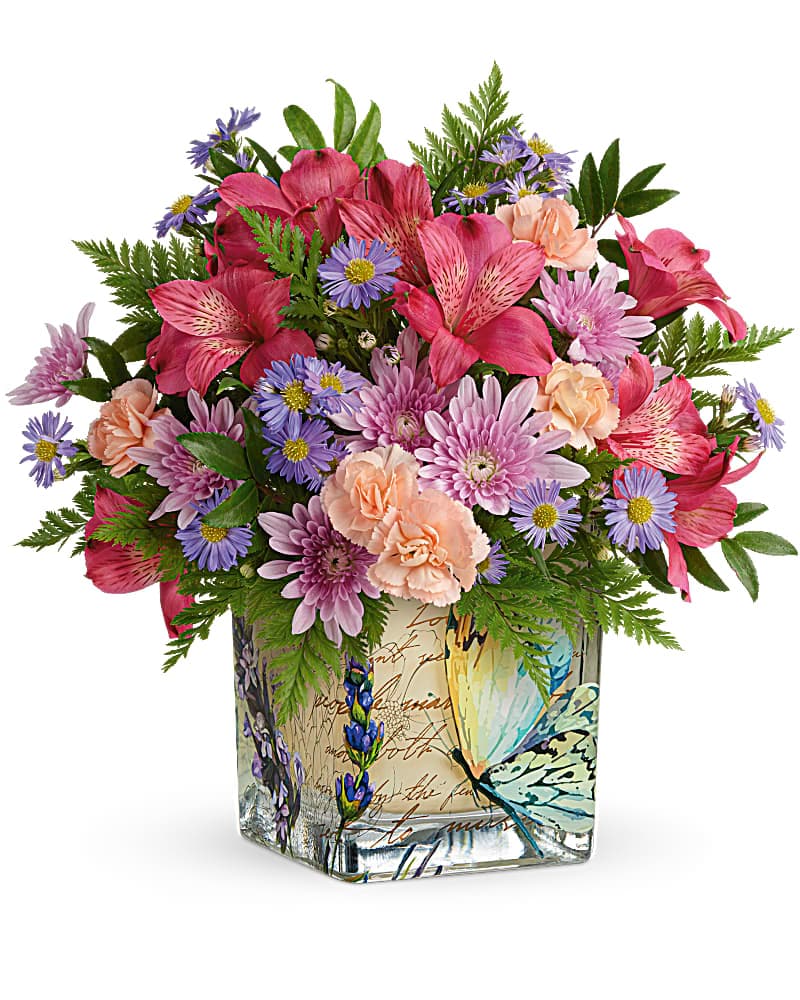
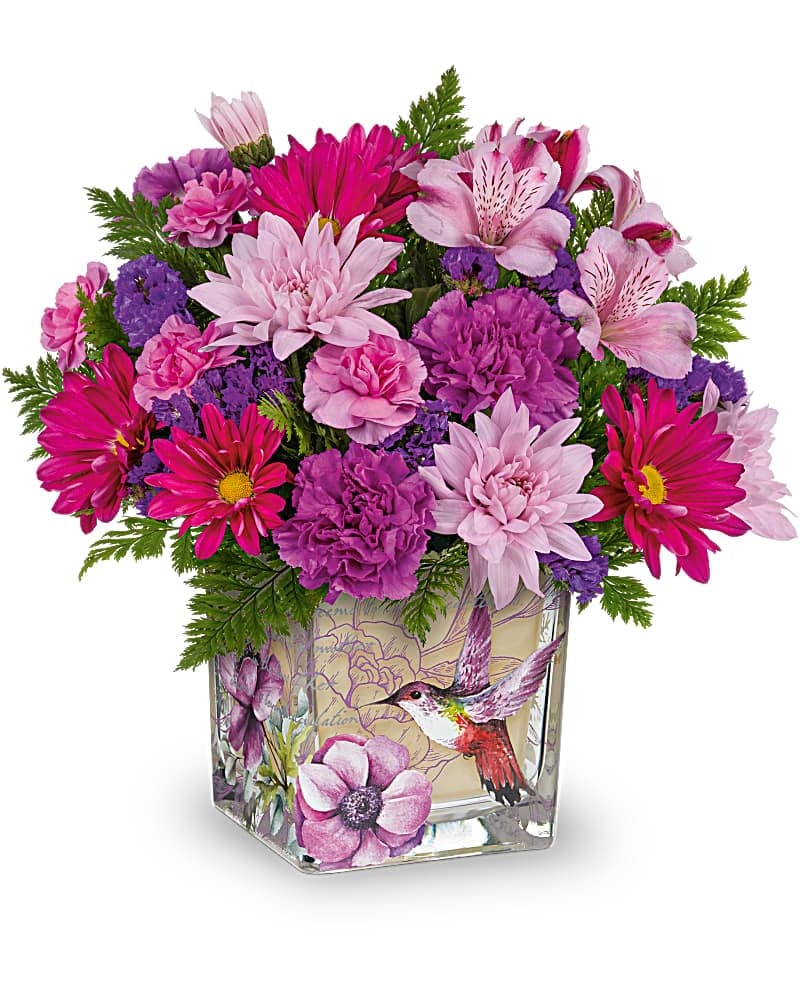
What actually passes, when a floor says yes, has a shape. Small. A hospital tray table is roughly the size of a dinner plate and it is also where meals, water and a phone live; a tall arrangement gets moved to a windowsill the patient cannot see or to the floor by the door. Ask for a compact vase design under about ten inches and you have solved most of it. Lily-free and low-scent is the second rule, and it is worth applying even where nobody demanded it, because shared rooms mean your flowers are also in a stranger's air — alstroemeria, spray roses, carnations and dianthus, gerbera, hydrangea, waxflower and greenery all read cheerful without filling a room. No soil for any immunocompromised floor, which rules out the potted orchid that is otherwise the perfect hospital gift. Something in the register of Teleflora's Welcome Beautiful Bouquet or a bright seasonal mix is the safe default. If the patient has been in for a while and the room is already full, the better gift is a plant sent to their home so there is something alive waiting when they are discharged.
Two mechanical things go wrong with hospital deliveries and both are avoidable. The first is identification: give us the patient's full legal name as admitted, the hospital, and the room or unit if you have it. Hospitals will not hunt for a nickname, and privacy rules mean a front desk may not confirm that a patient is even there. The second is motion: patients get moved between units and discharged with no notice, and a bouquet that arrives an hour after discharge has nowhere to go. Include the home address as a backup in the notes and say we may use it — most shops will redirect rather than return. For the long recoveries that happen outside a hospital altogether, the same care applies: the skilled-nursing and rehabilitation houses along Sherman Way, De Soto and Roscoe take deliveries at a front desk and will usually walk an arrangement to a room; the Motion Picture and Television Fund's Wasserman Campus on Mulholland Drive in Woodland Hills has its own reception protocol; and for someone home after surgery on a Winnetka or West Hills street, the notes that matter are the doorbell, the gate code, and the fact that they may be slow to the door — ask the driver to be patient rather than to leave it and go.