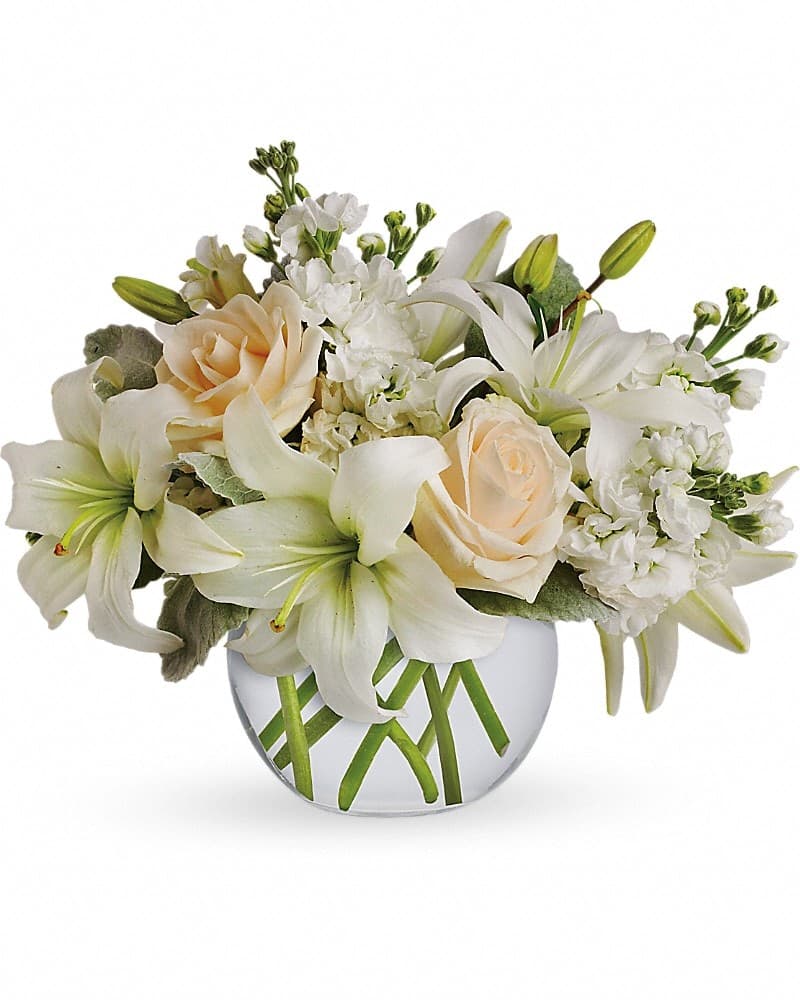
The oldest thing in Caldwell is a congregation, and it still shapes how a sympathy order runs here. The First Presbyterian Church of Caldwell stands on Bloomfield Avenue, and the house beside it at number 207 is the church's former manse — the room where Grover Cleveland was born in 1837, while his father held the pulpit. Two centuries of Caldwell funerals have started on that same mile of pavement: the borough's viewing rooms and the parishes that hold the services sit on Bloomfield Avenue or on the streets a block off it, and none of the burials happen in the borough. That last fact is the one out-of-state senders need. A Caldwell funeral is a morning that crosses two or three town lines — a viewing the evening before somewhere along the avenue, a service at a church here or in Verona or Roseland, then a drive west into East Hanover or east to the older grounds in Orange and Newark. Flowers can only stand at one of those places. Tell us which, and the piece goes there.
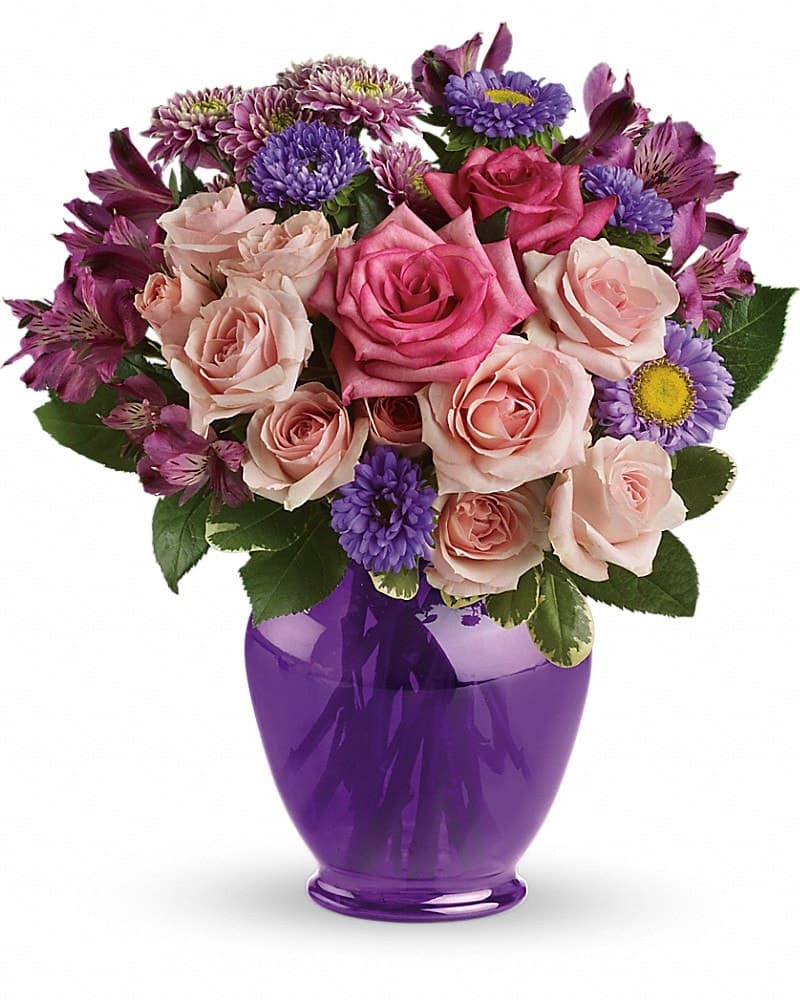
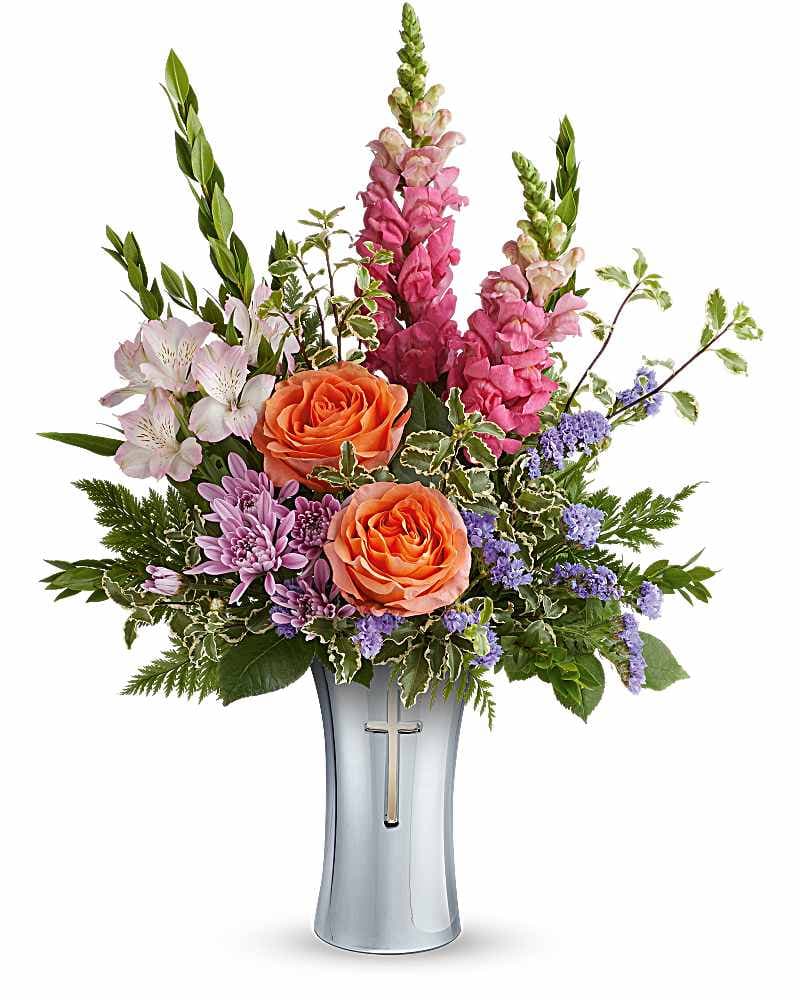
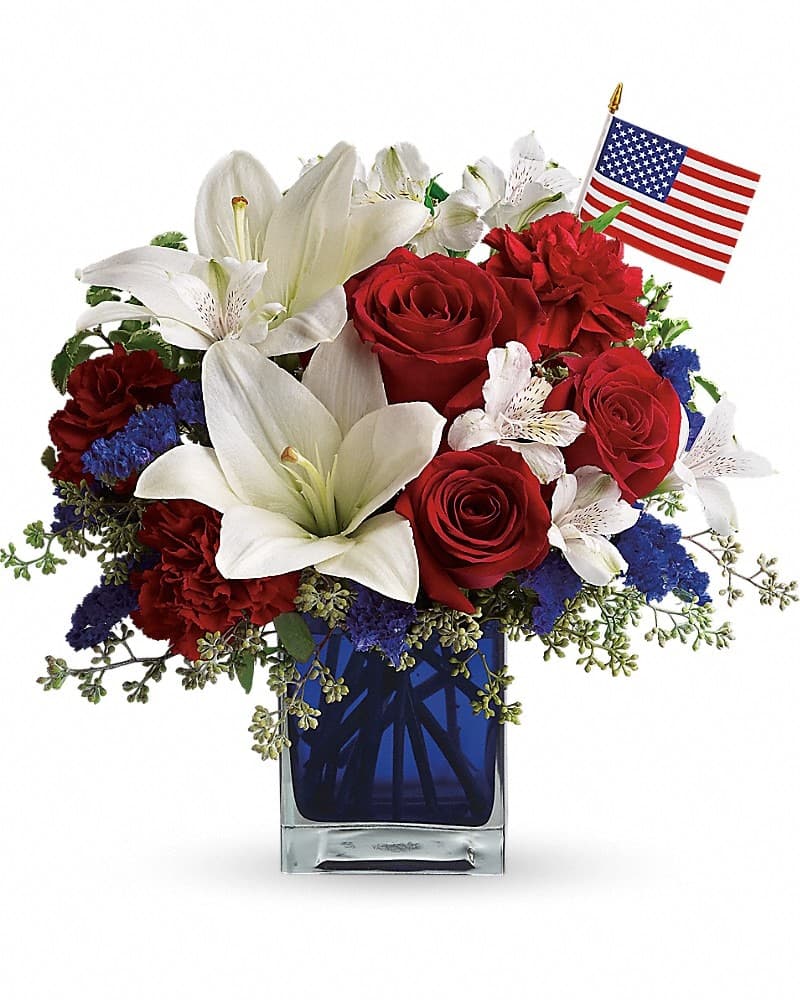
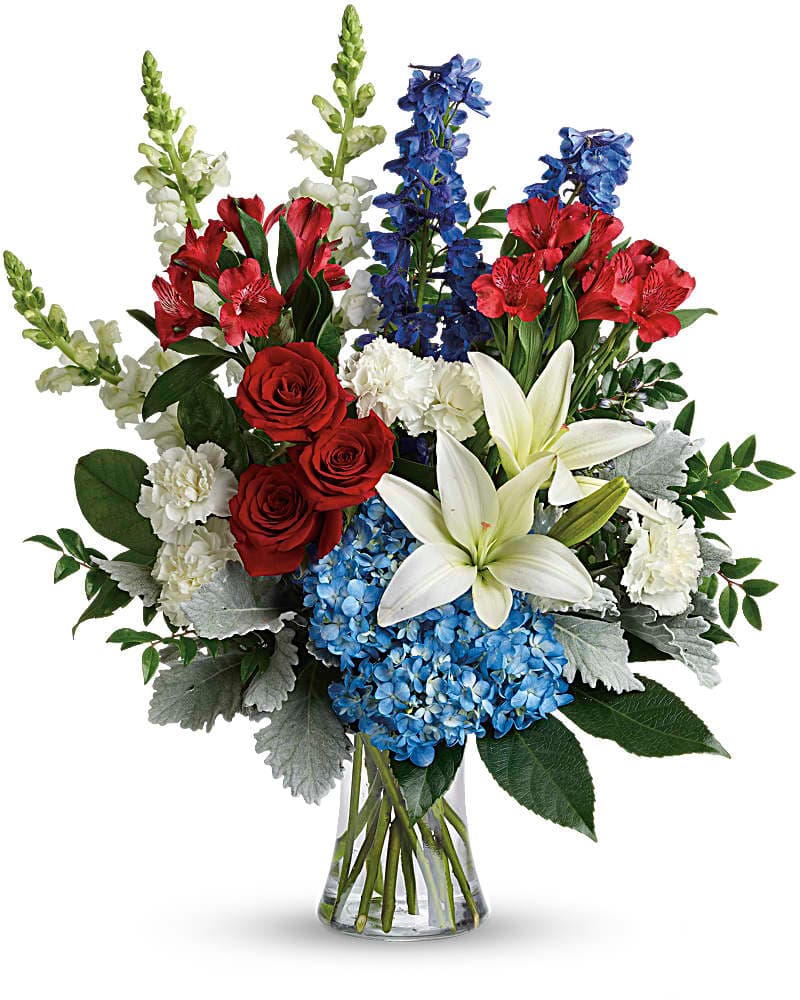
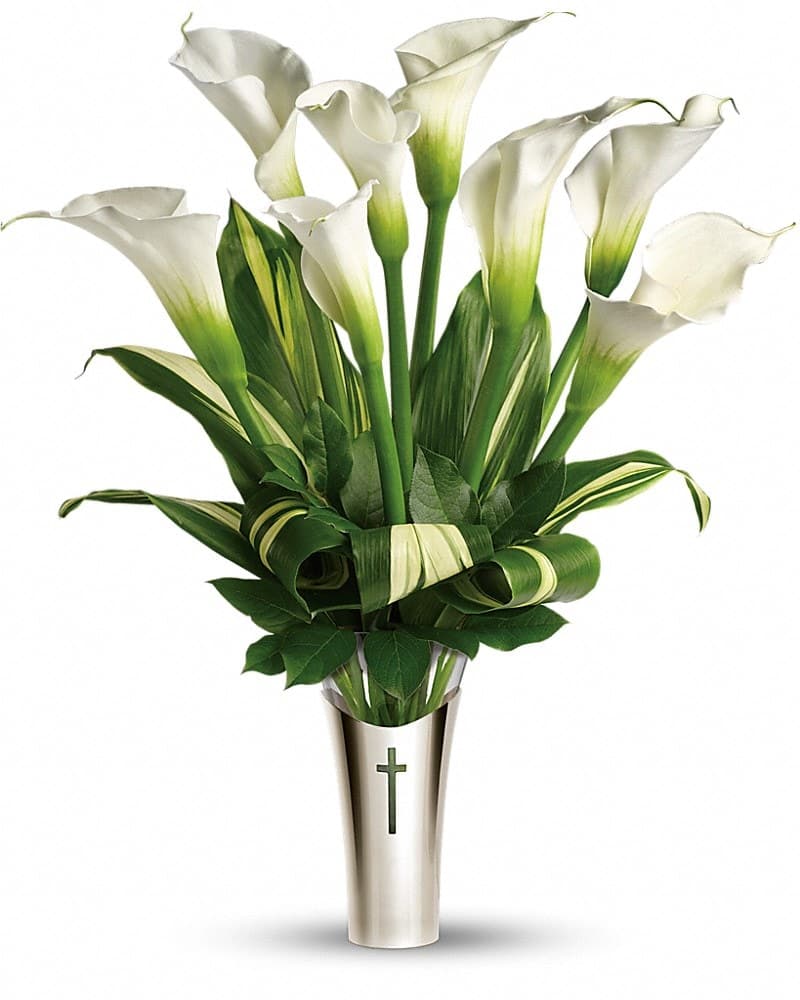
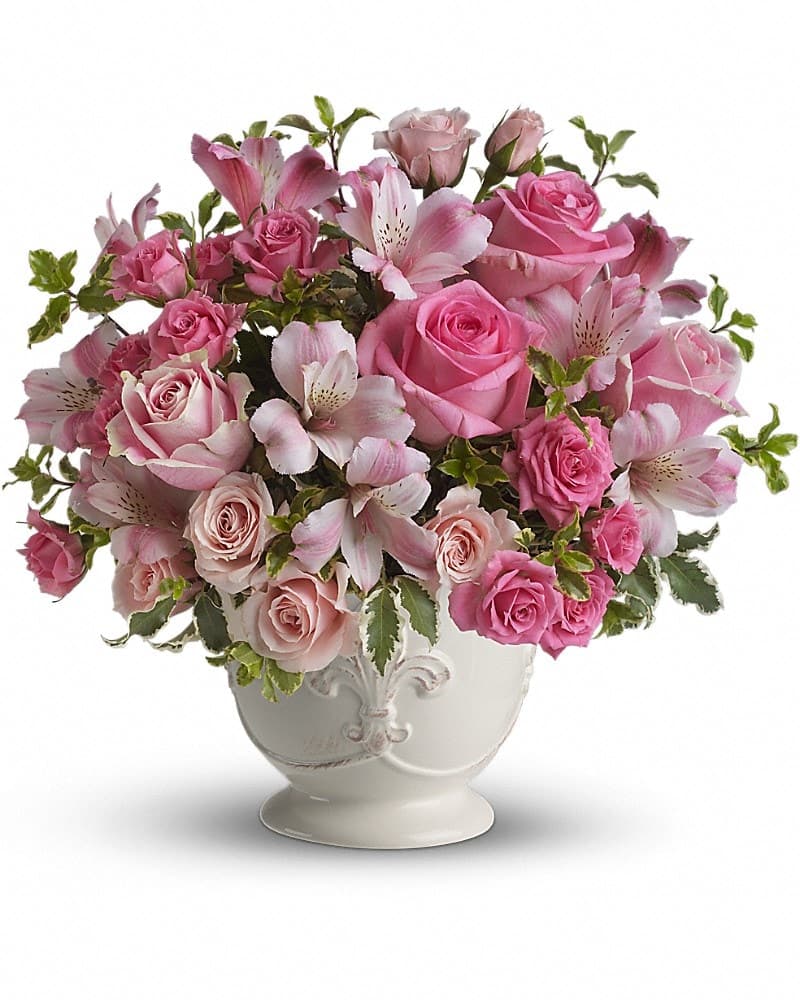
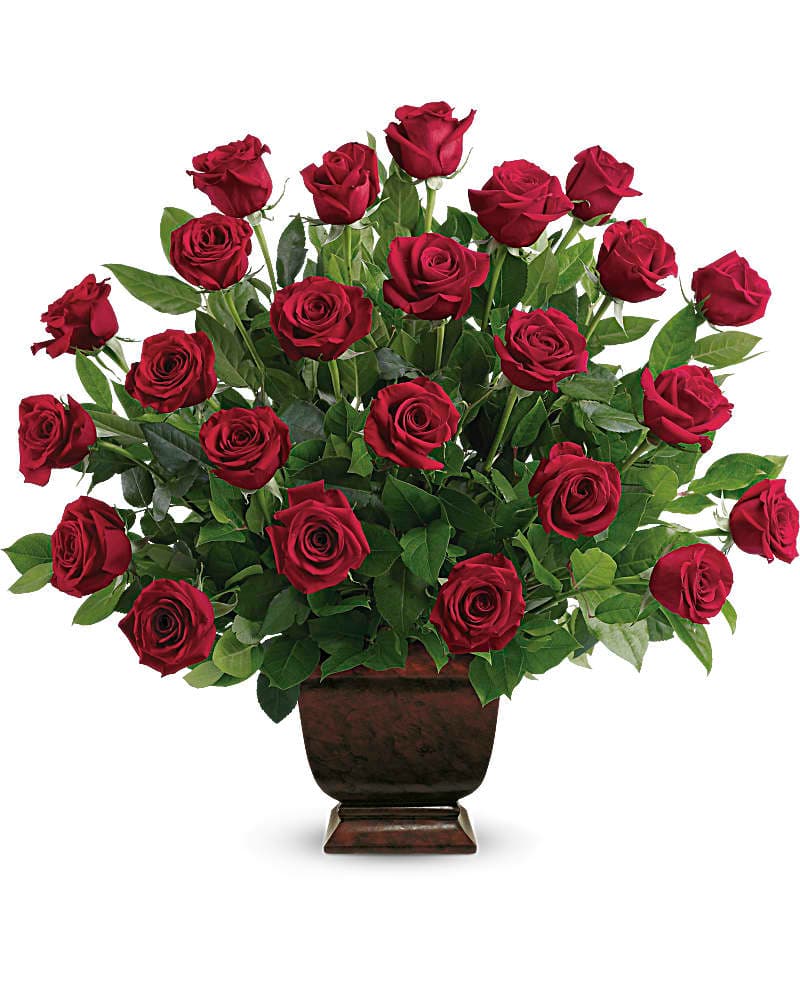
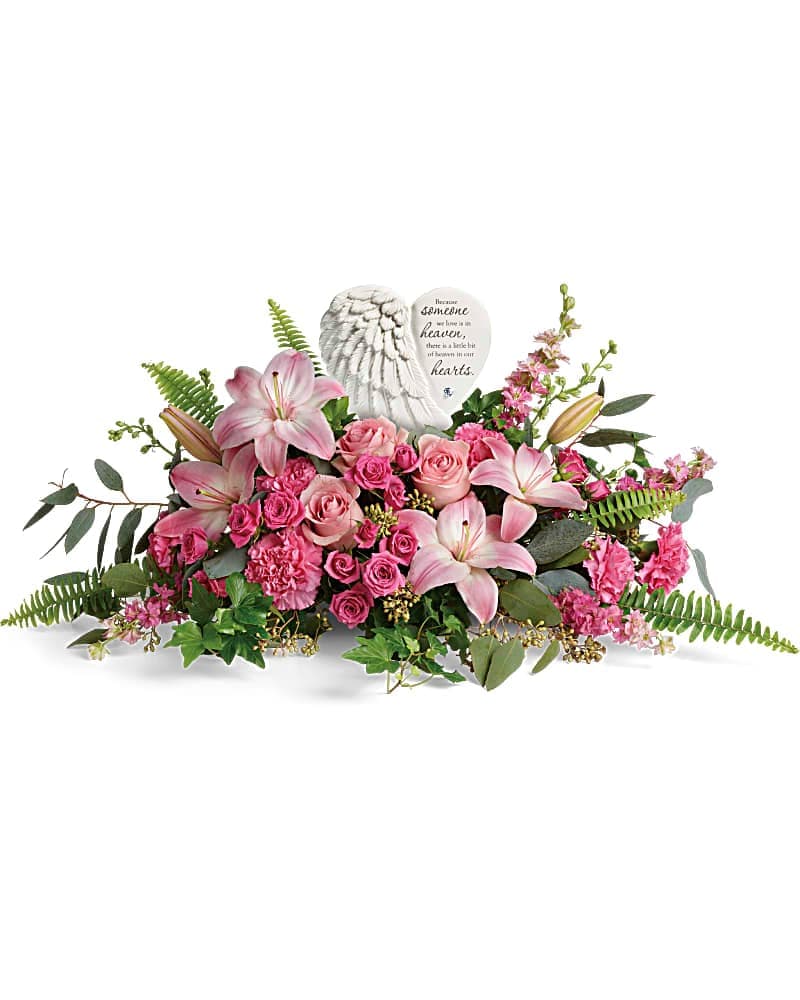
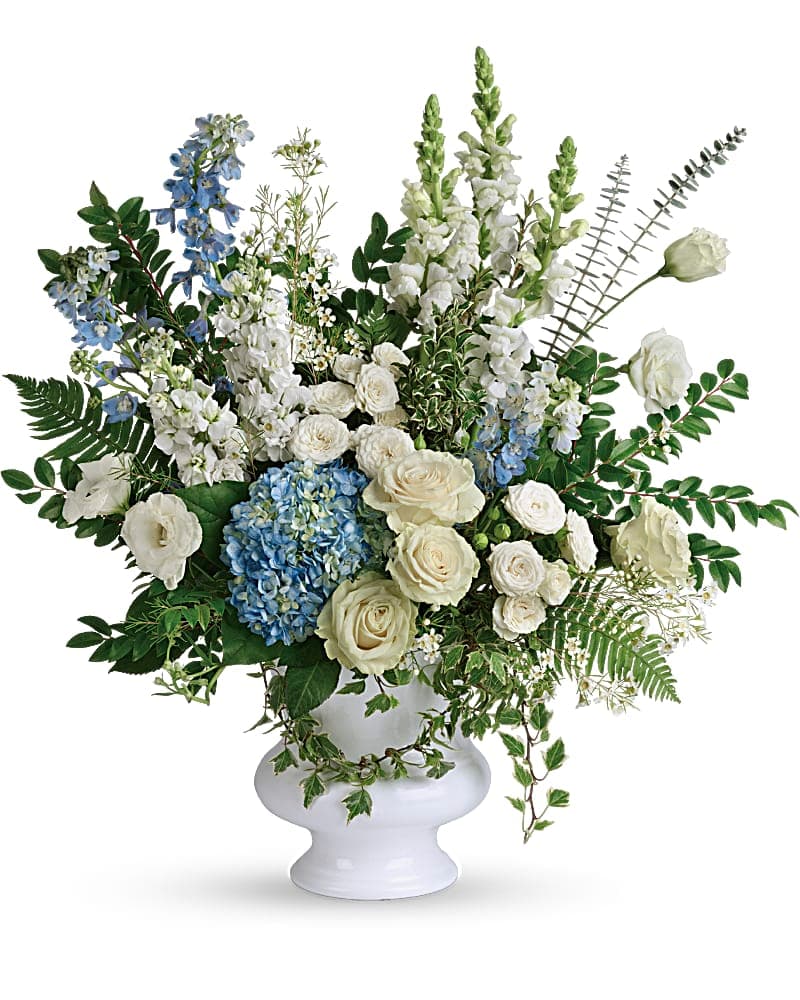
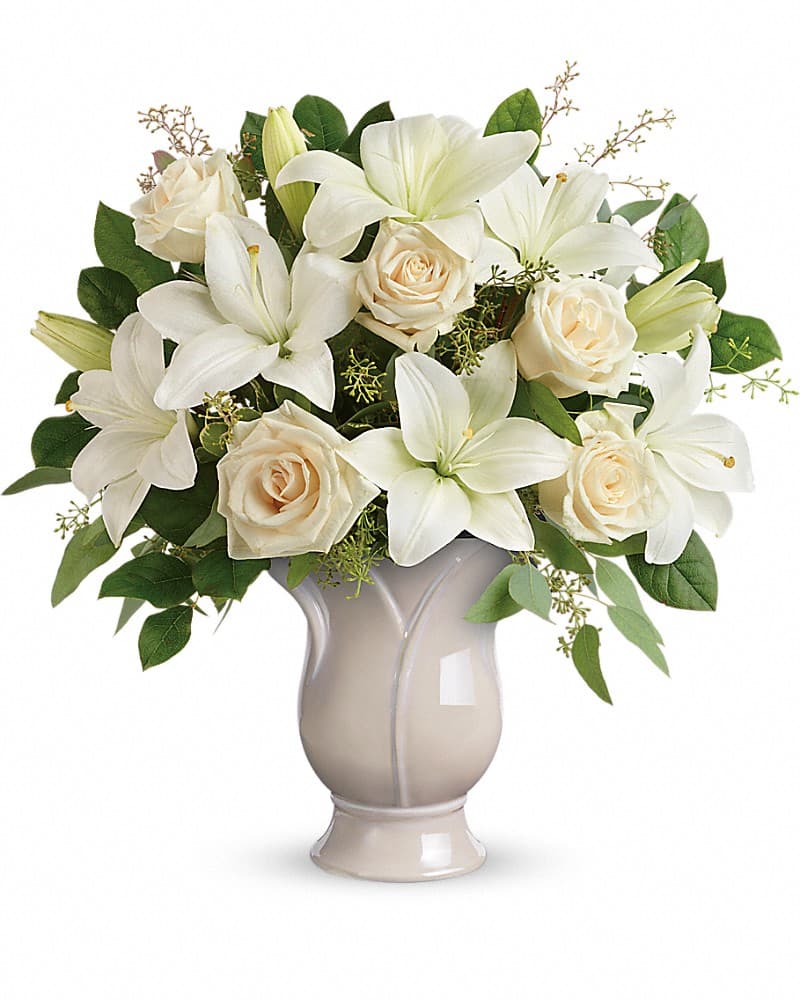
What goes wrong with a Caldwell sympathy order is rarely the flowers. It is the hour. The viewing rooms on this corridor are small buildings on a two-lane street with one receiving door and a lot measured in a dozen spaces, and the family sits in that room for a fixed window — very often a single evening session of about two hours. A standing piece that arrives at four in the afternoon is in position, seen by everyone who signs the book, and read by the family while they still have the room to themselves. The same piece sent for ten the next morning lands while the cars are already lining up for the drive to the cemetery, and it gets carried out rather than looked at. So the instruction that helps is narrow: give us the hour the viewing opens, not the hour of the funeral, and buy yourself a day if the day exists. The second trap is the road. Bloomfield Avenue is the only through route for this whole string of towns, traffic-lit end to end, and a nine o'clock run eastbound toward Verona and Montclair sits in the same crawl as the commuters. Pieces needed on the morning of a service get built first and loaded first for exactly that reason.
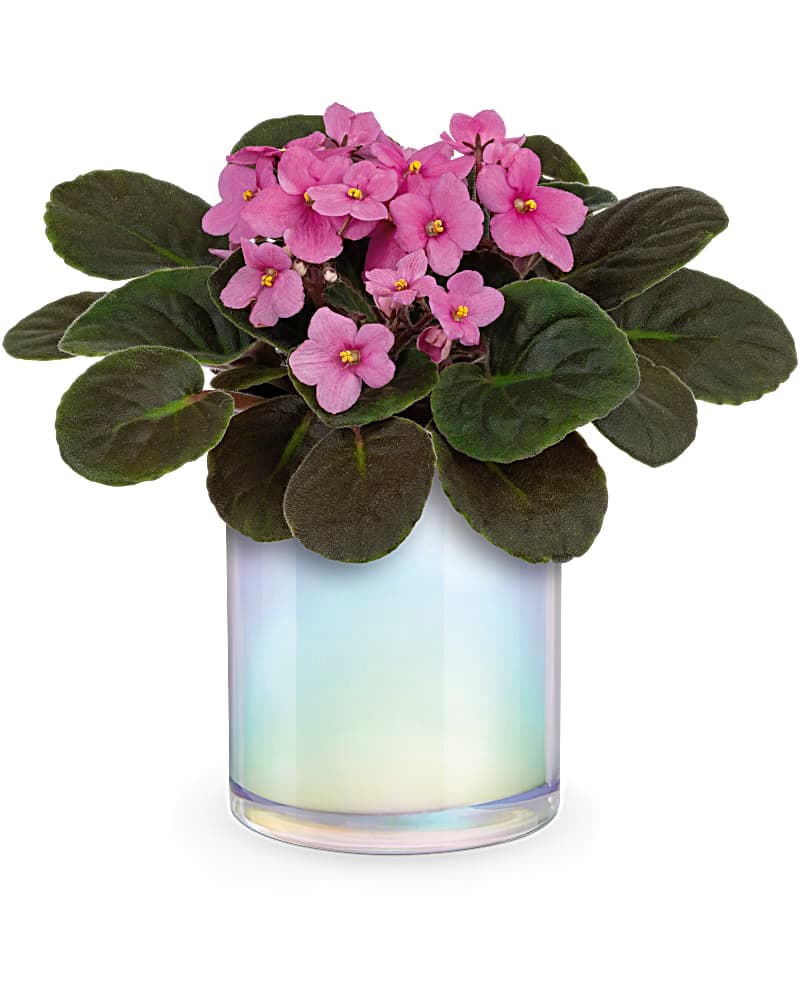
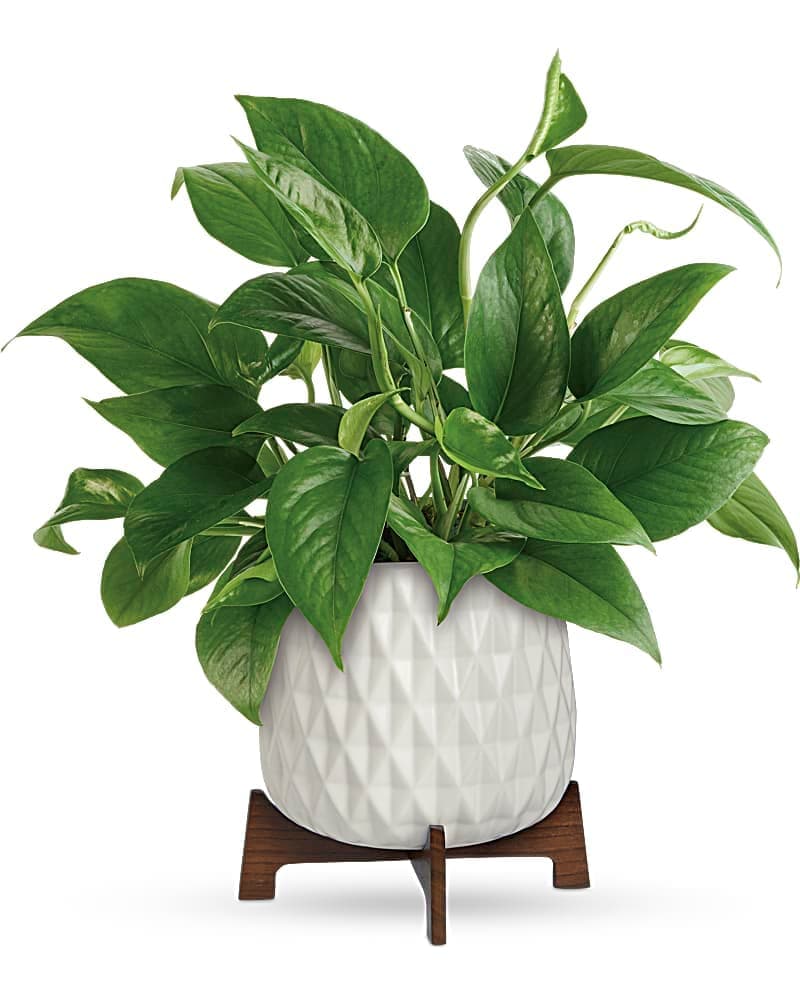
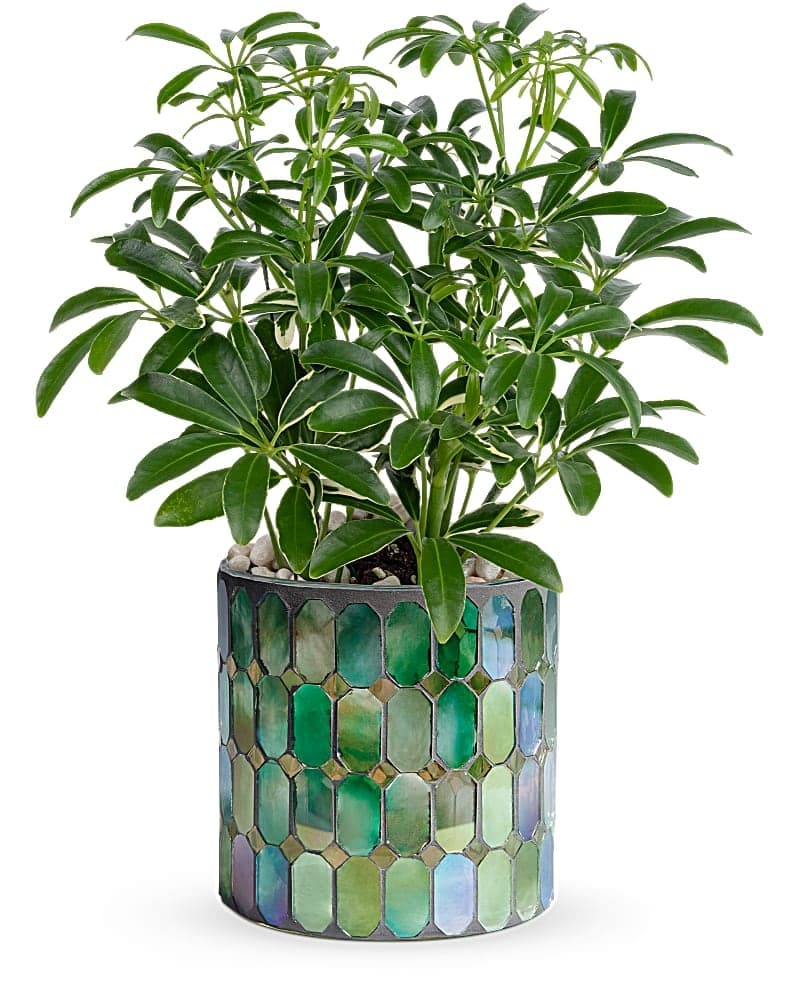
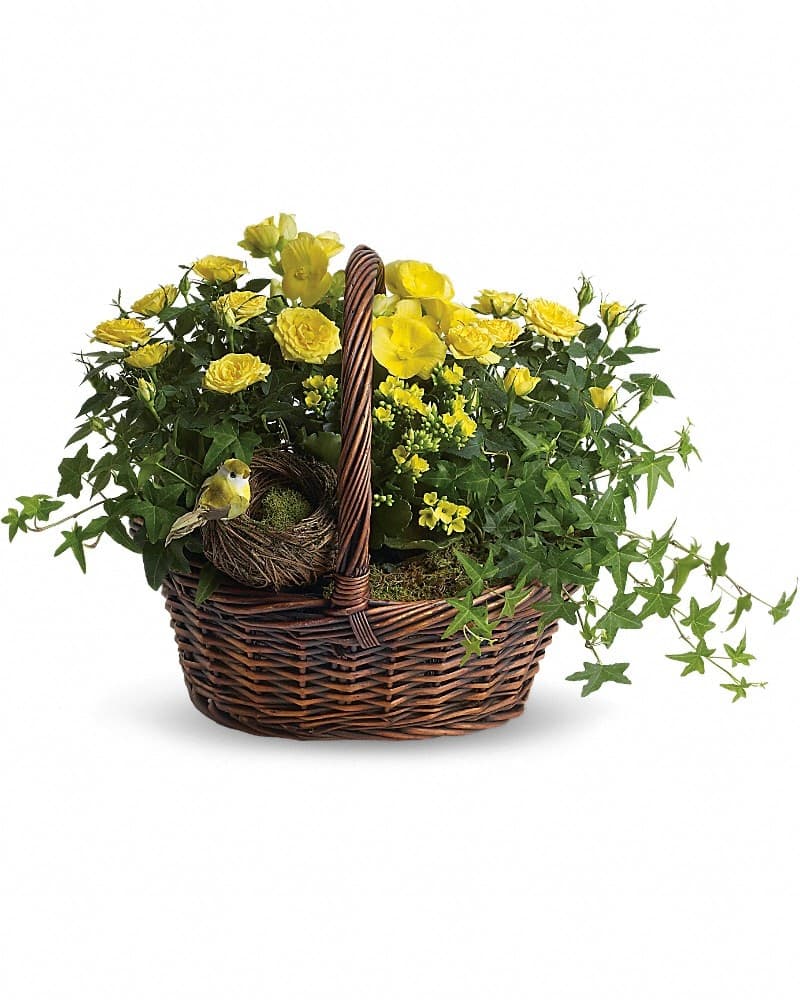
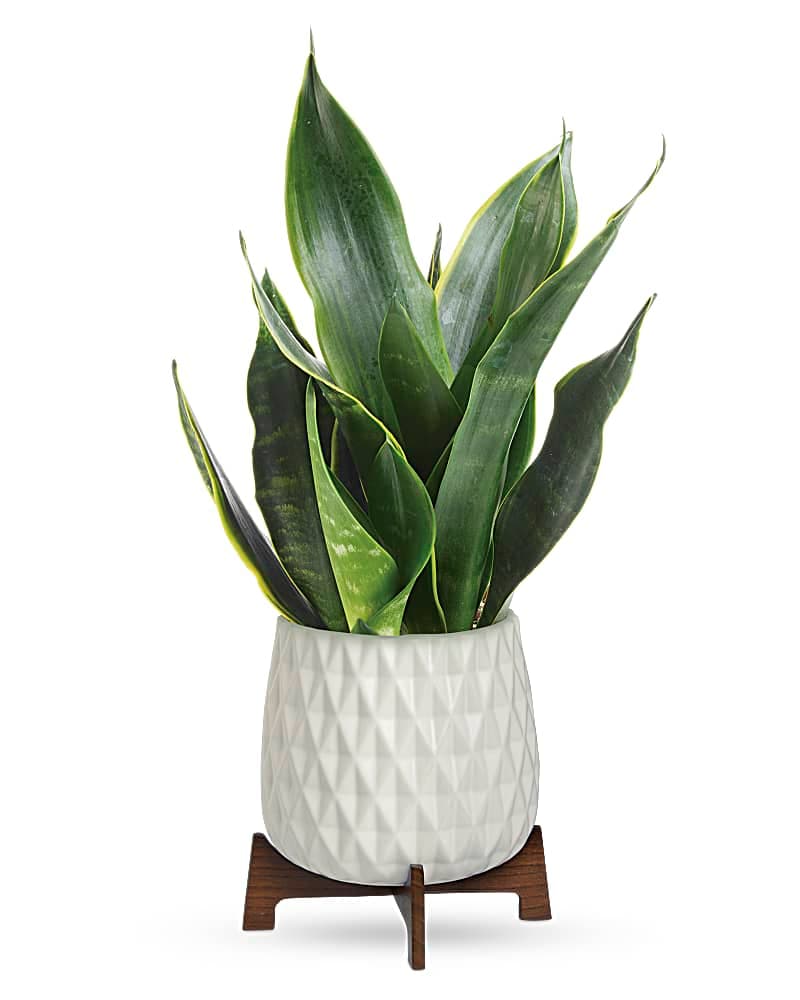
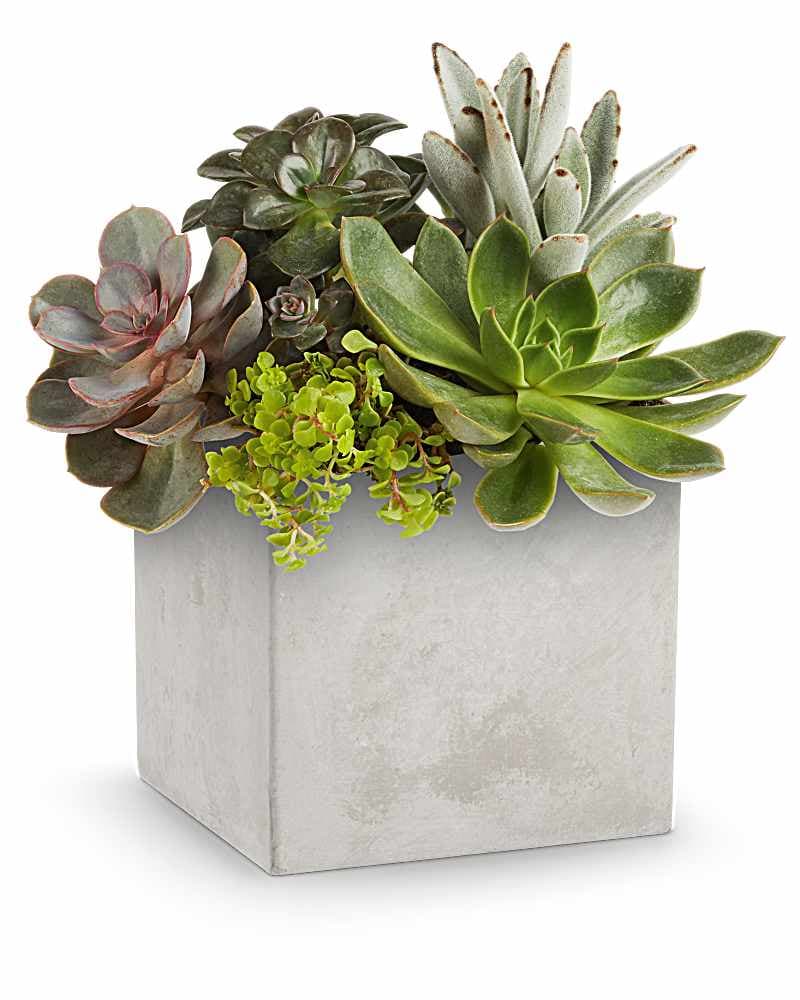
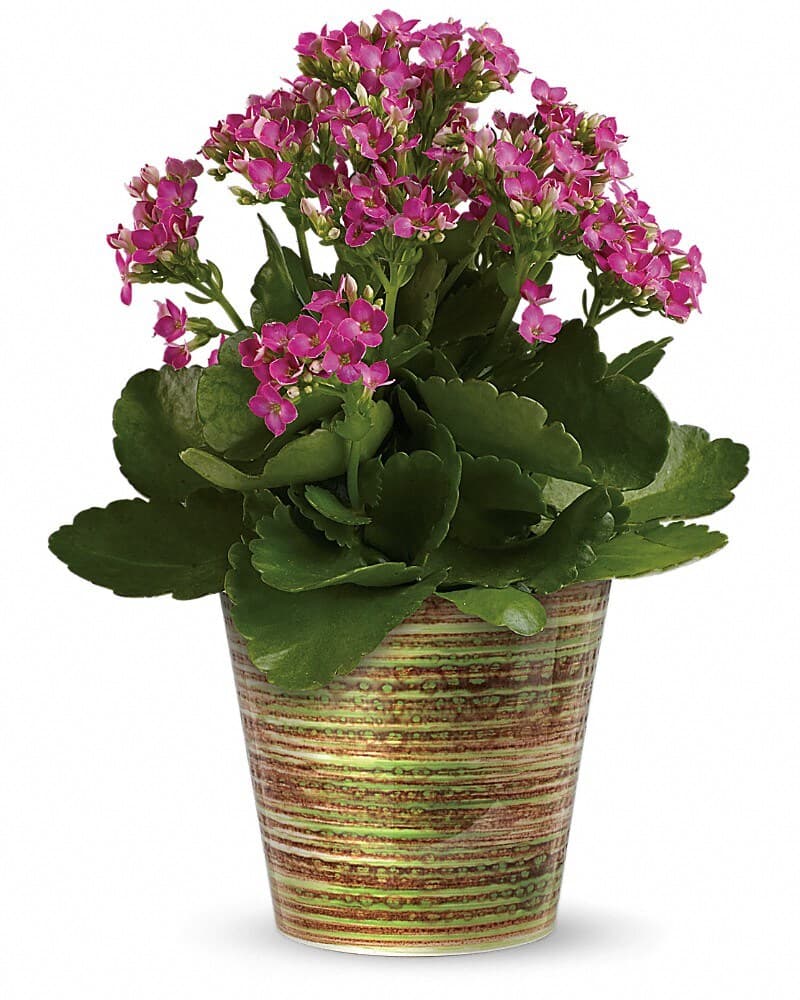
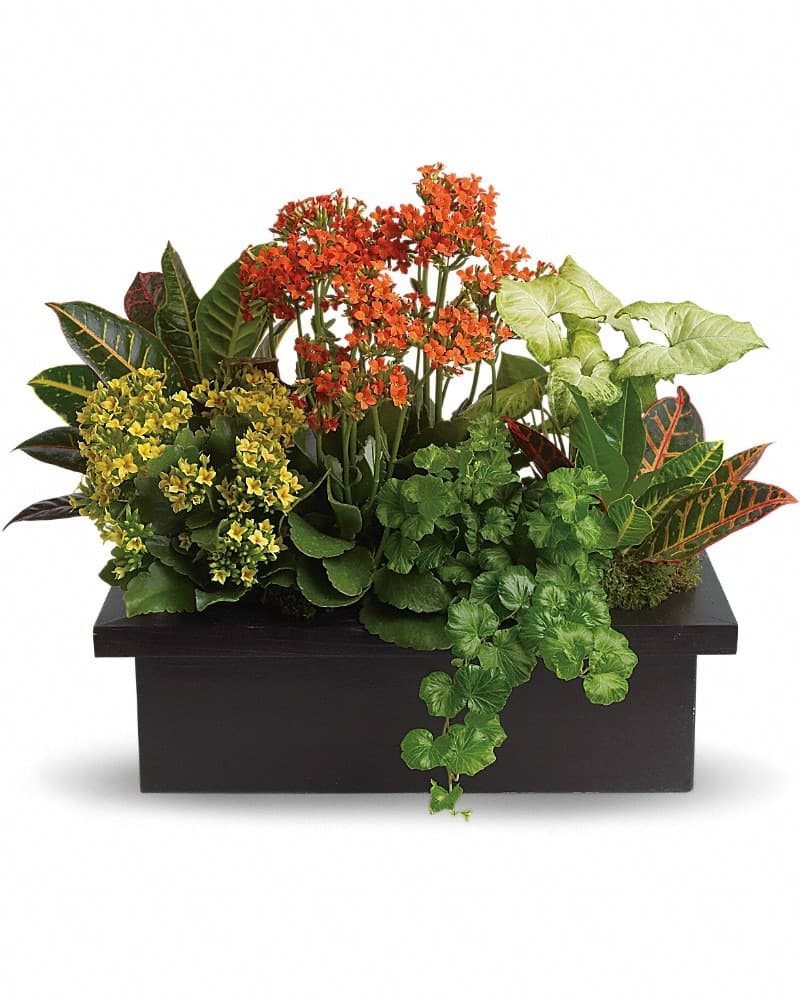
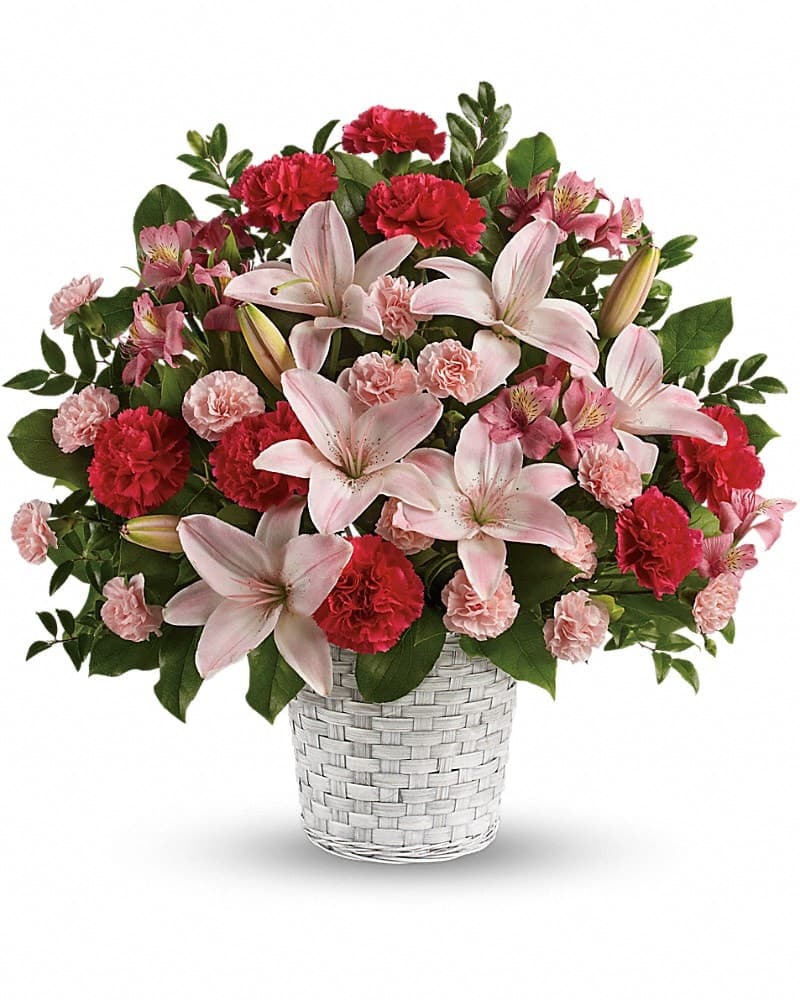
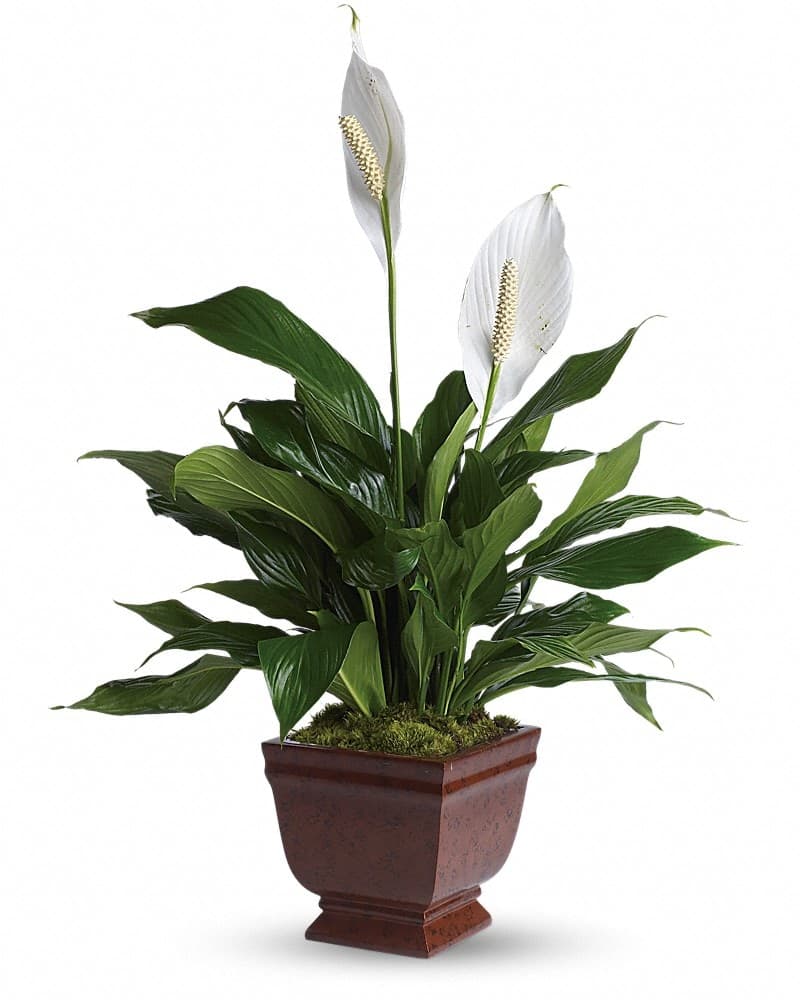
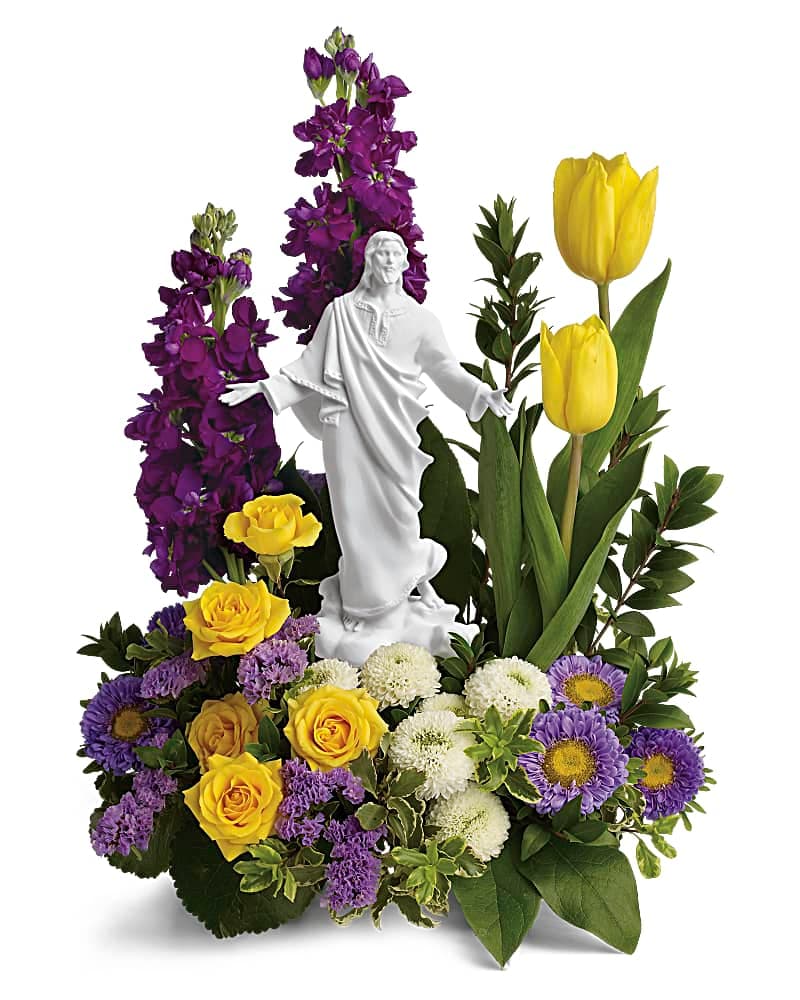
The Caldwells are mixed enough that the tradition changes the order, and these are not abstractions on these streets. Most funerals here are Archdiocese of Newark funerals: the St. Aloysius parish anchors a Catholic community whose Italian-American and Irish-American families keep the full form, standing work in the viewing room and an arrangement waiting at the plot. The First Presbyterian Church of Caldwell, along with the Methodist and Episcopal congregations in the towns around it, receives flowers at whatever scale the church office will accommodate — ask the office, not the family. Congregation Agudath Israel of West Essex, in Caldwell, serves the Jewish households of this end of the county, and there the convention inverts: nothing is sent to the service or to the grave, while something living delivered to the shiva house, or a gift made in the deceased's name, is the gesture that reads correctly. Our designers will build the plant without being argued into it. Muslim families — the large communities nearest us are in Clifton and Paterson, both well inside the radius — do not receive flowers at the mosque or at the burial; the house, a few days later, is the place. Name the tradition in the order and the shop works inside it.