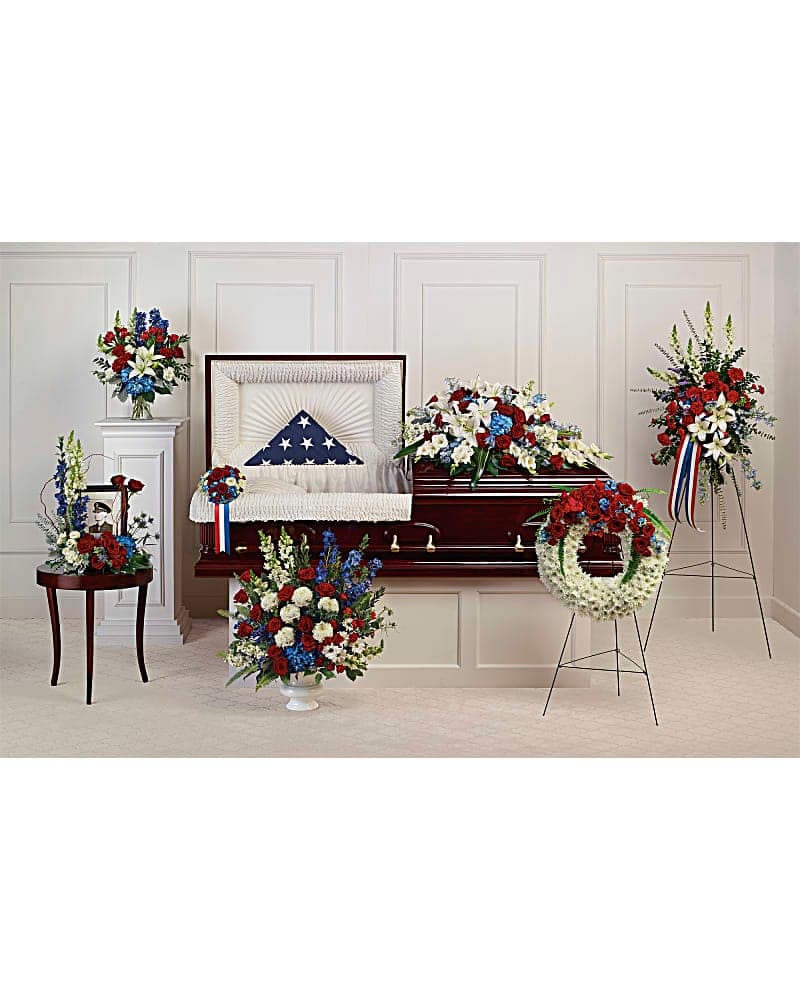
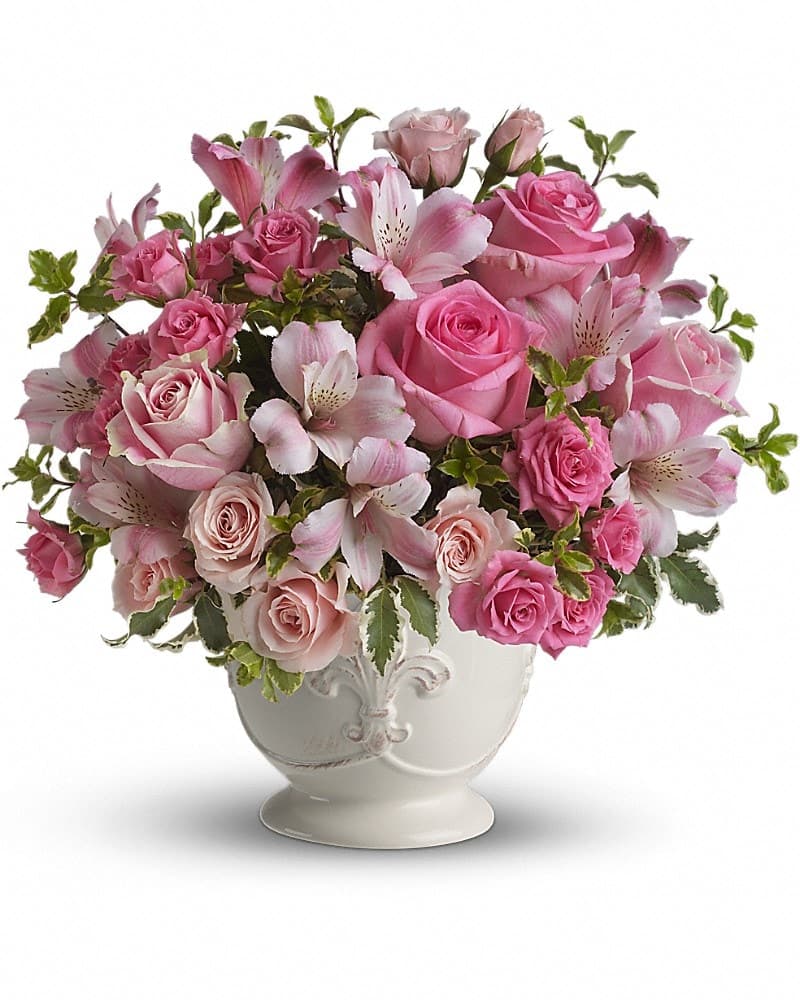
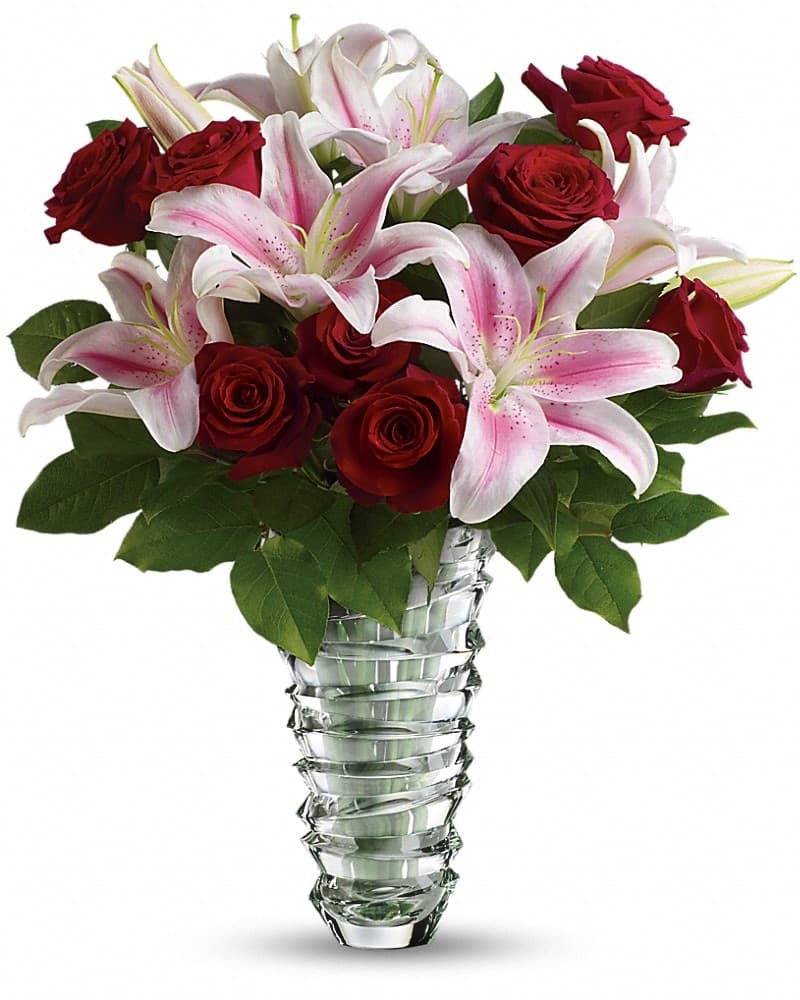
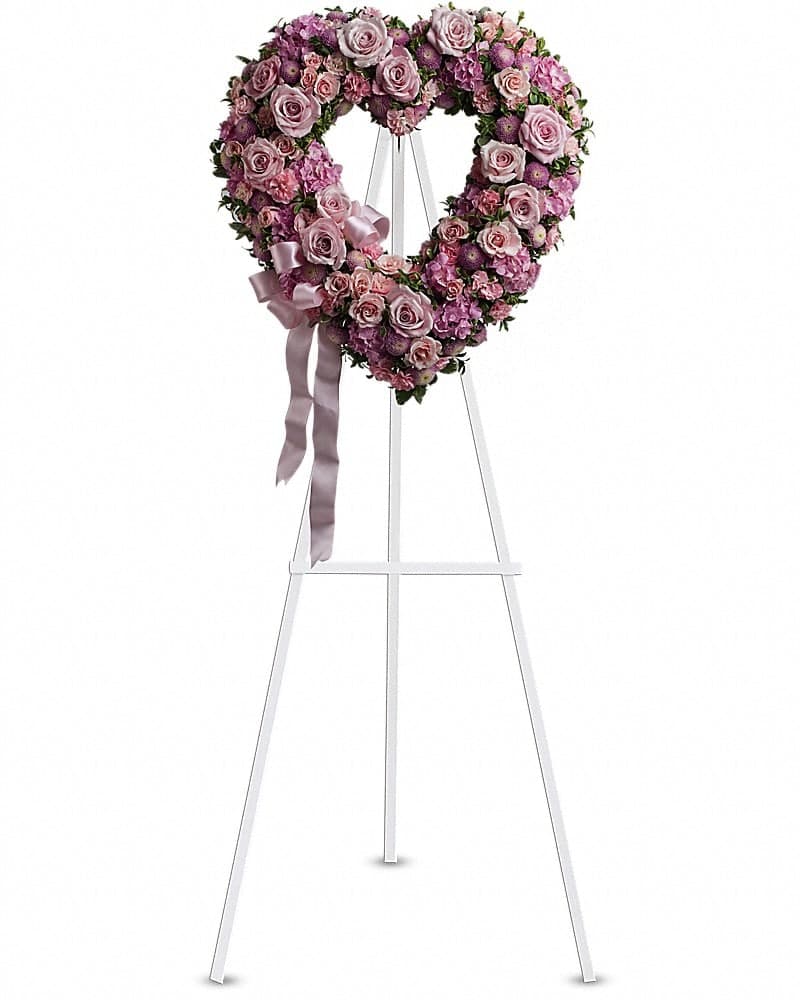
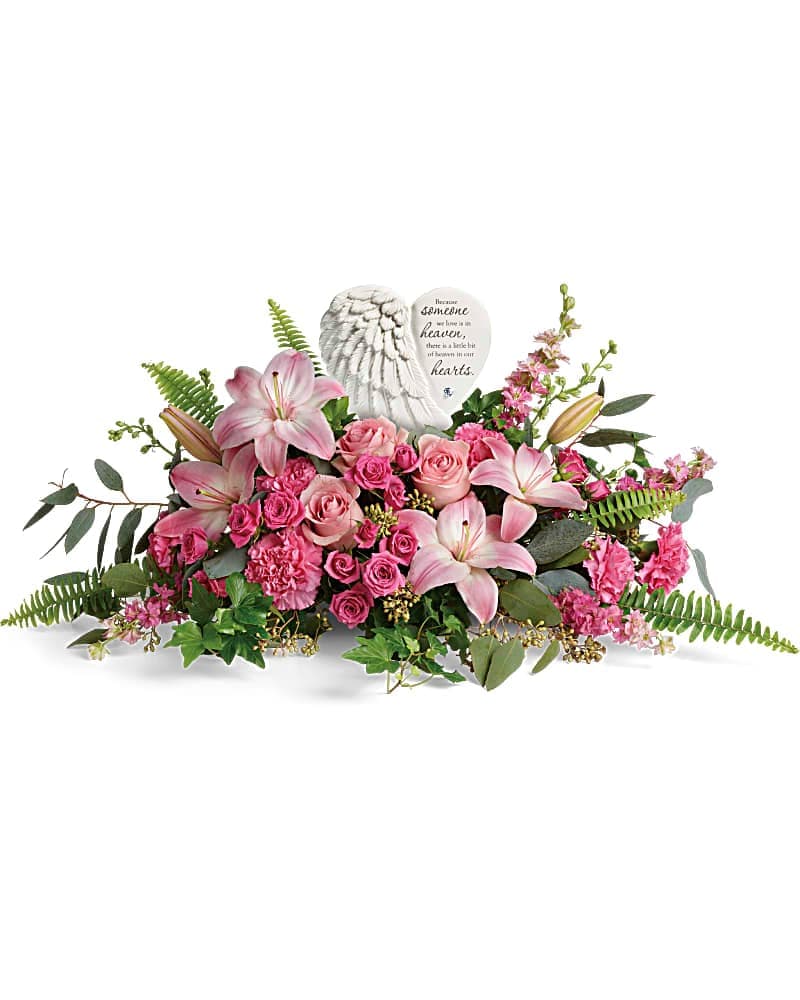
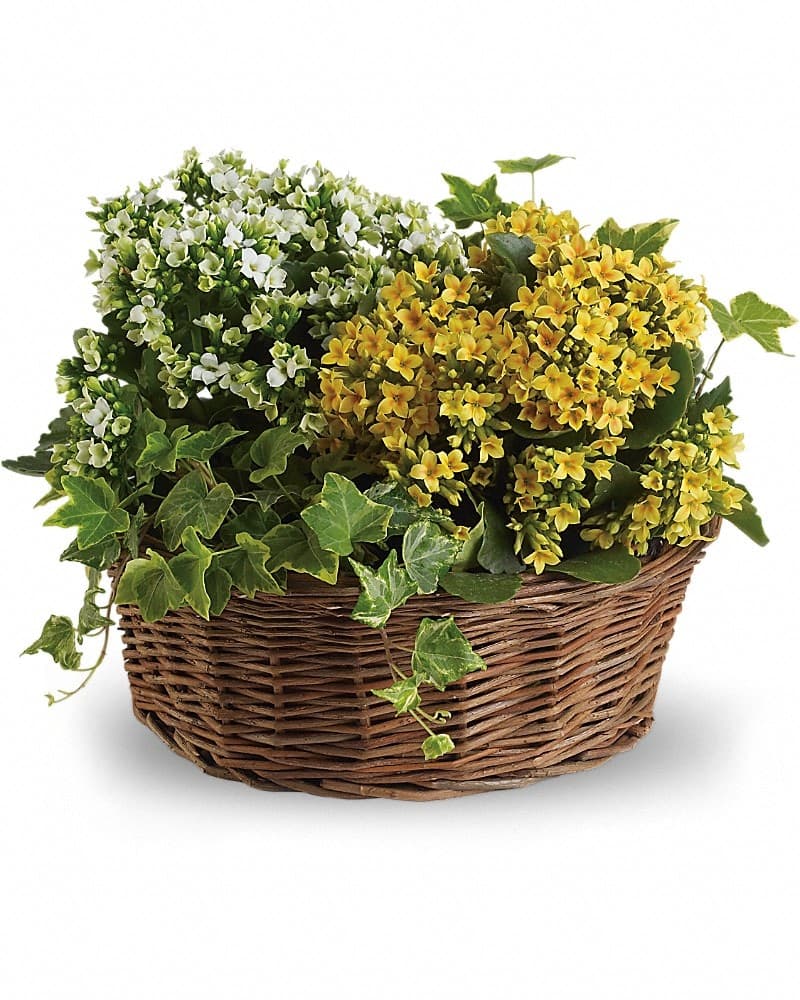
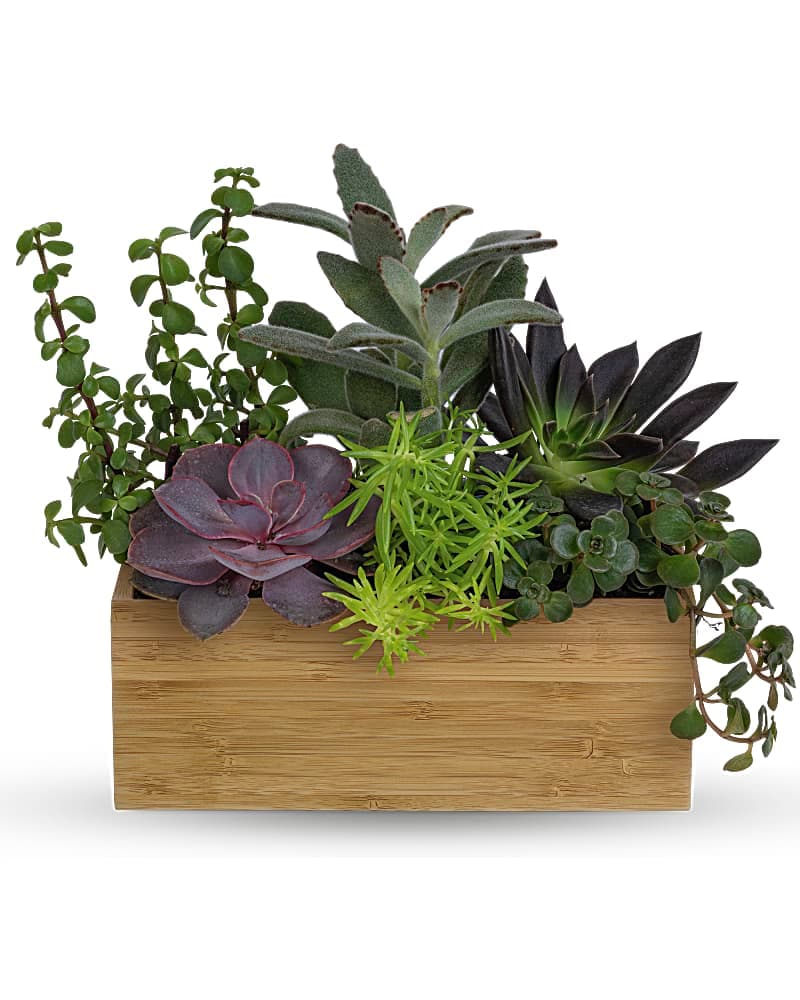
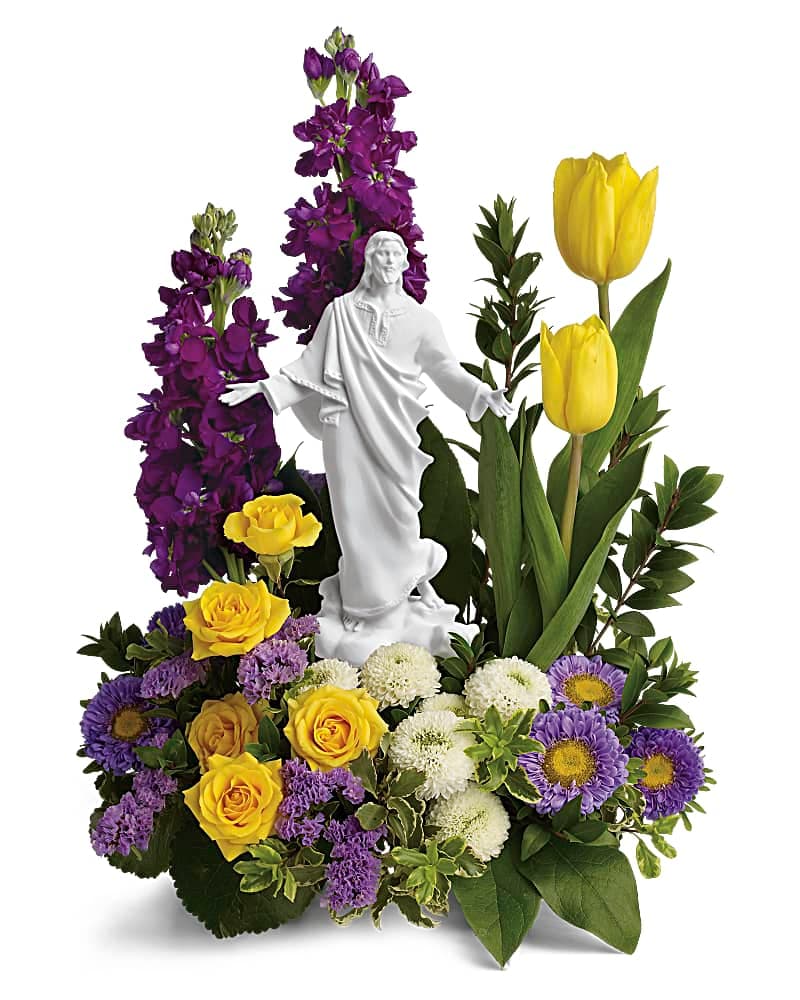
Most sympathy pages have to explain how far the flowers must travel. Bogota needs the opposite explanation. The borough is three quarters of a square mile, Petrik Funeral Home is inside it, and a family living off Palisade Avenue or Queen Anne Road may be a few streets from the room where the service is held. That closeness is a mercy on a week that has none, and it changes what you should be ordering. It does not, however, change the one rule that matters most here, so read it plainly: Petrik provides a flower-ordering path alongside its funeral services, and that path belongs to its own arrangement. It does not connect an order placed through another seller to the service schedule. If your flowers are meant for a service, the destination, the accepted format and the hour they can be received all have to be confirmed with the family or with the funeral home directly, and then the order is built to match. Nothing on this page, and nothing on any marketplace page, substitutes for that call. A condolence arrangement sent to the family's own house instead is a separate decision and usually the simpler one.
Where the burial happens is the second half of the problem, and it always leaves the borough. Bergen County is Archdiocese of Newark ground, and the Catholic and non-sectarian burial that serves families here spreads out in four directions from a town that has none of its own. West, straight over the river, are the Hackensack grounds — Hackensack Cemetery and Maple Grove Park Cemetery — near enough that a graveside piece is a short run rather than a morning's drive. North, up toward Paramus, sit Cedar Park and Beth El, which serve a wide Jewish radius across this part of the county, and George Washington Memorial Park, which takes much of the non-sectarian burial from Bergen. South, past the Meadowlands, is Holy Cross Cemetery in North Arlington, the archdiocese's large ground and the longest local drive from 07603. East, over the ridge, Fairview Cemetery and Madonna Cemetery in Fort Lee. Name the cemetery in the order rather than the town, and give the section or the name on the monument if the family has it. A graveside arrangement has to be standing before the procession turns in; there is no second attempt, and a driver circling an unfamiliar burial ground at ten past the hour helps nobody.
Bogota's neighbours shape its mourning too, and one of them shapes it a great deal. Teaneck begins at the borough's northern and eastern line and is home to one of the largest Orthodox Jewish communities in the United States. For a household there, or for a Bogota family with relatives there, the clock is nothing like a Catholic one: burial follows quickly, often before out-of-state relatives have landed, so the flowers a distant sender pictured at a funeral are better sent to the house during the week of mourning instead. Unlike the high-rise towns further down the Palisades, these are houses — a front door, a hallway, a table that is already covered. That argues for a compact arrangement or a living plant rather than anything floor-standing, and for something that survives a week in which nobody has time to change water. Schedule nothing to arrive between Friday sundown and Saturday night. If you want it there for the first day, order Thursday rather than Friday morning, and put a mobile number on it so somebody can be reached at a door that is opening all day.
The hospital ring matters here because so many Bogota deaths are preceded by a stay in one of four buildings, and because families sit in those rooms for days. Hackensack University Medical Center on Prospect Avenue is directly across the water — the largest hospital in this part of the county, with the John Theurer Cancer Center and the Joseph M. Sanzari Children's Hospital on the same campus. Holy Name Medical Center on Teaneck Road is minutes from the borough's north end. Englewood Health on Engle Street is a little further east, and Bergen New Bridge Medical Center in Paramus sits inside the same-day radius. Two practical notes for a delivery into any of them. First, ask the unit whether it takes flowers at all before a driver is sent — a cancer floor, an intensive care unit and a transplant unit frequently do not, and a refused delivery at a nurses' station is a small extra cruelty on a bad day. Second, if flowers are declined, the family waiting room and the family's own house are both real destinations, and a plant left for the people keeping vigil often does more than an arrangement in a room where nobody is awake.