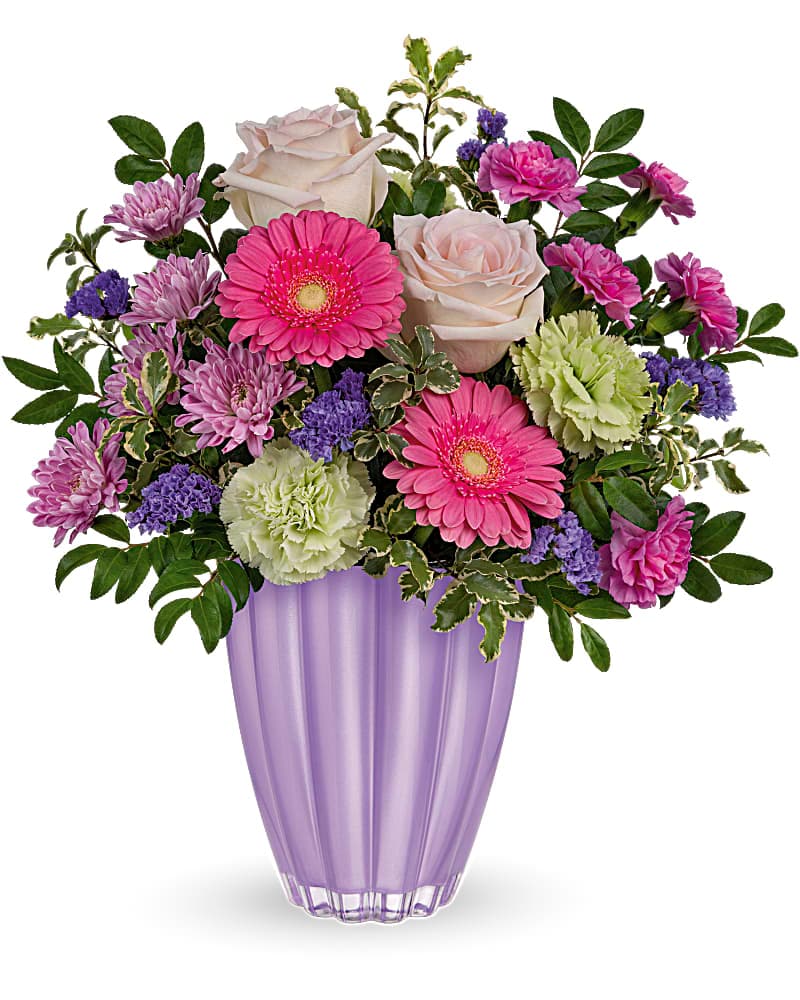
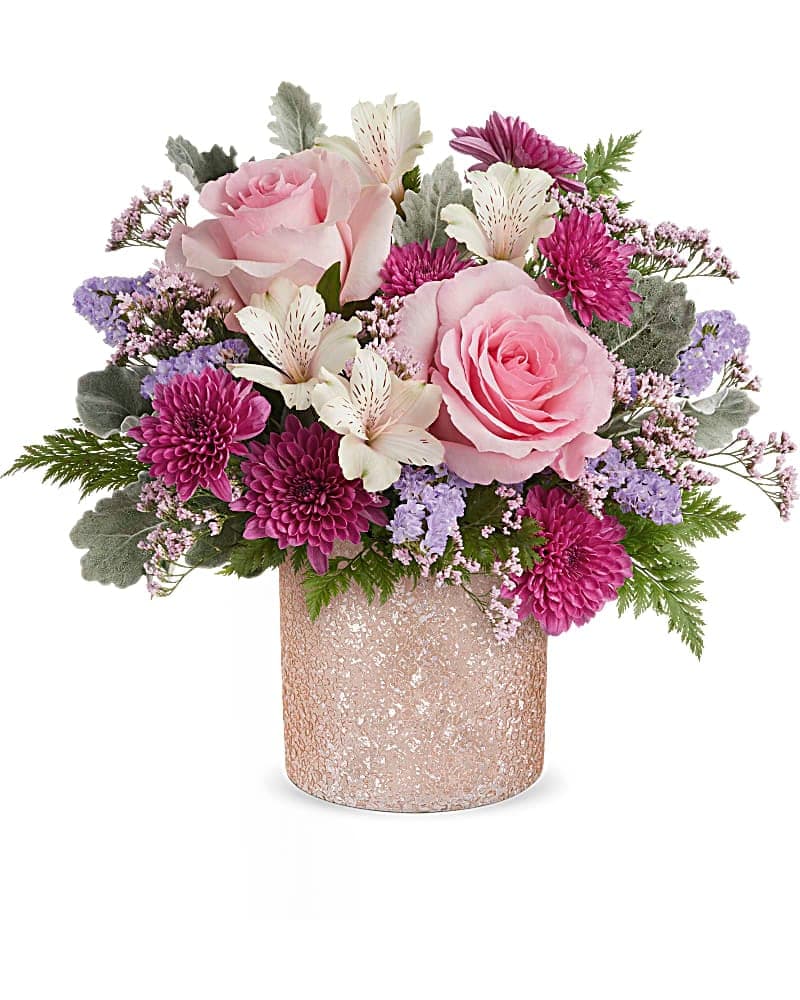
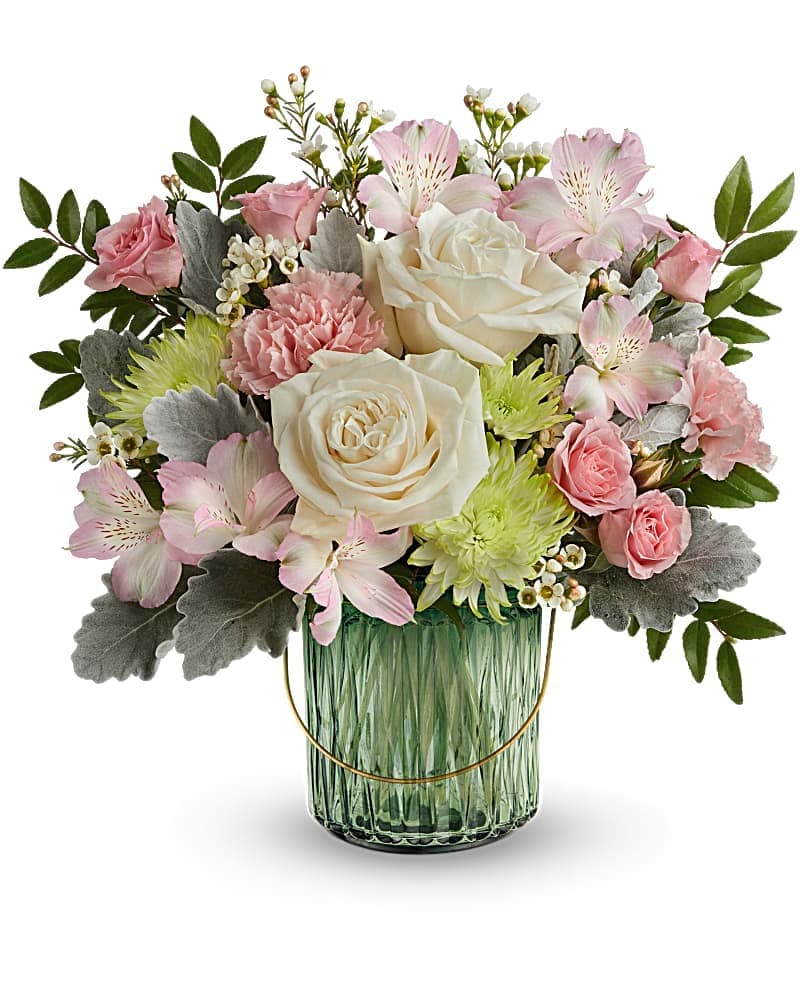
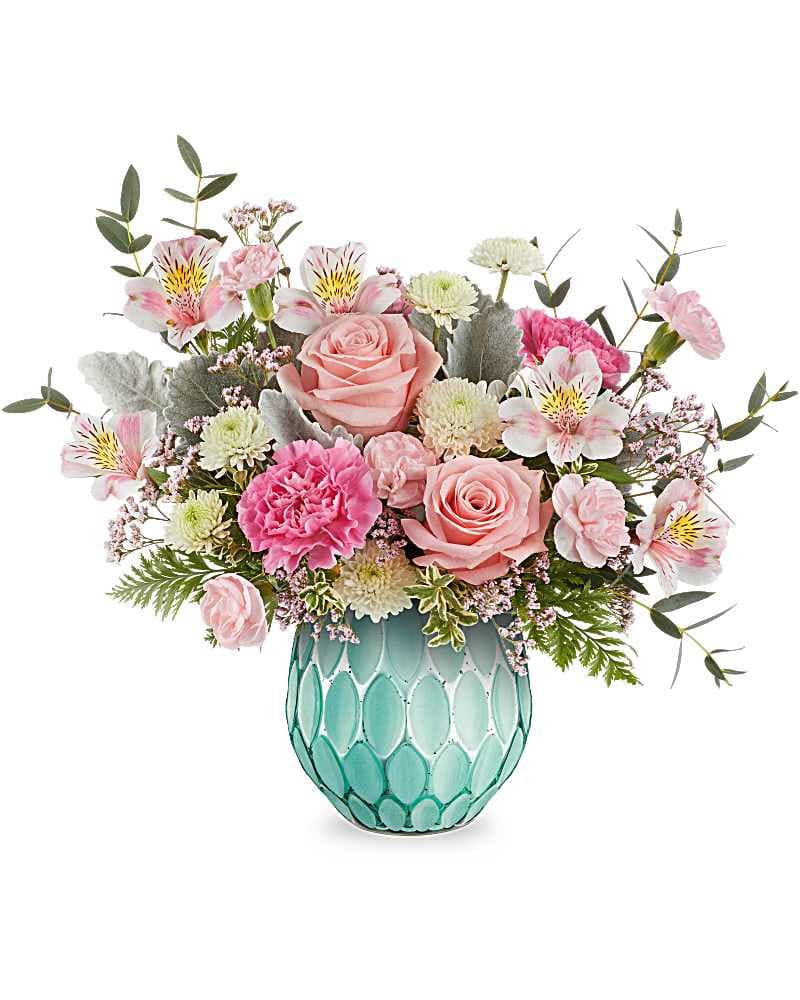
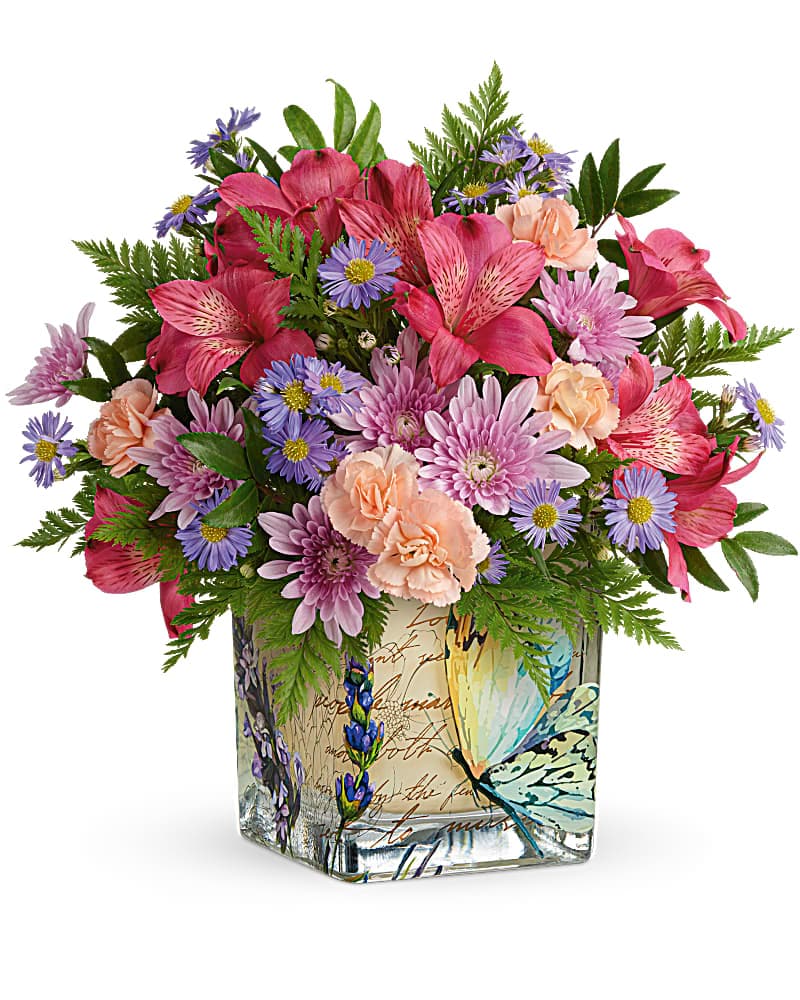
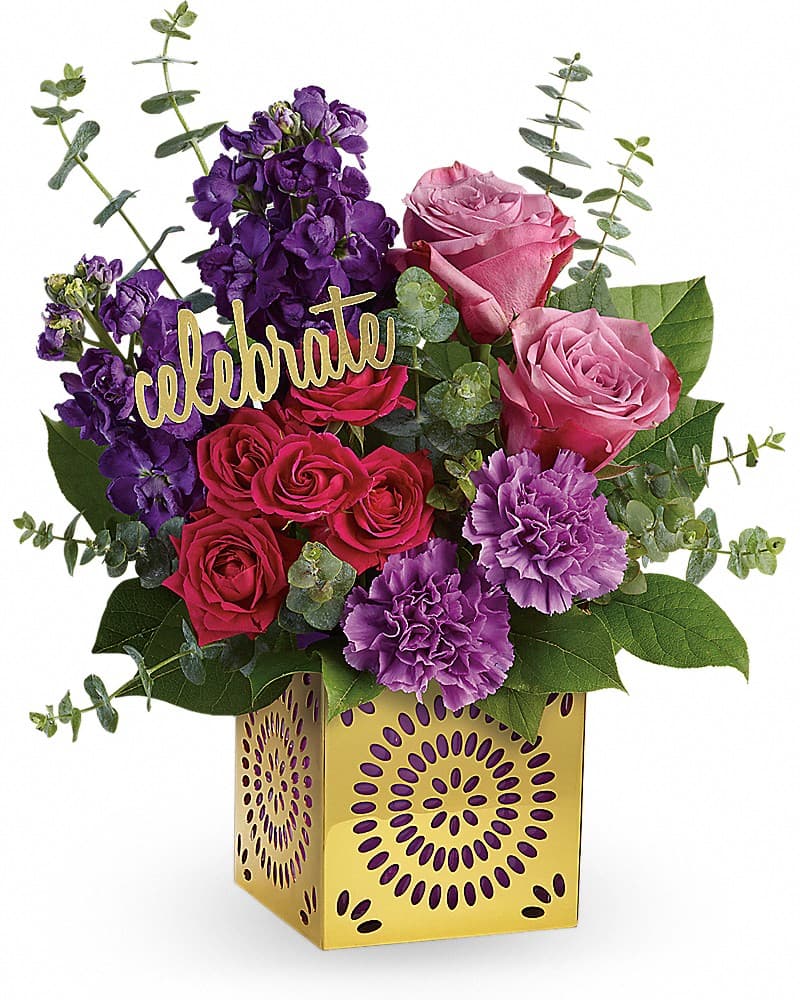
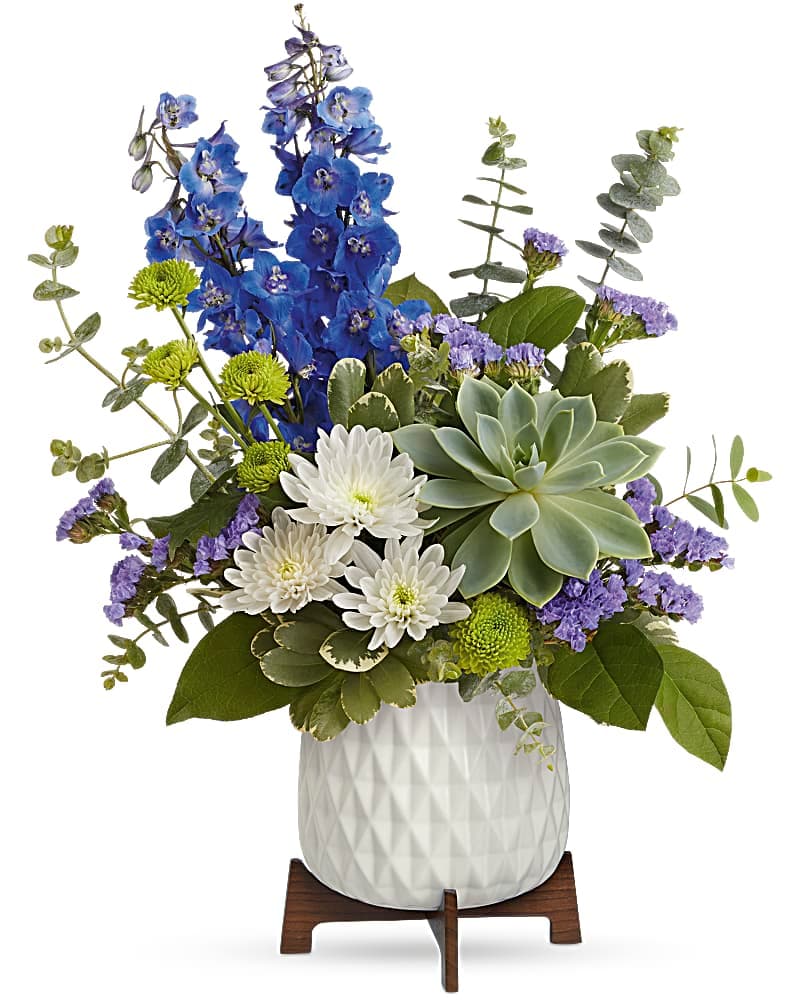
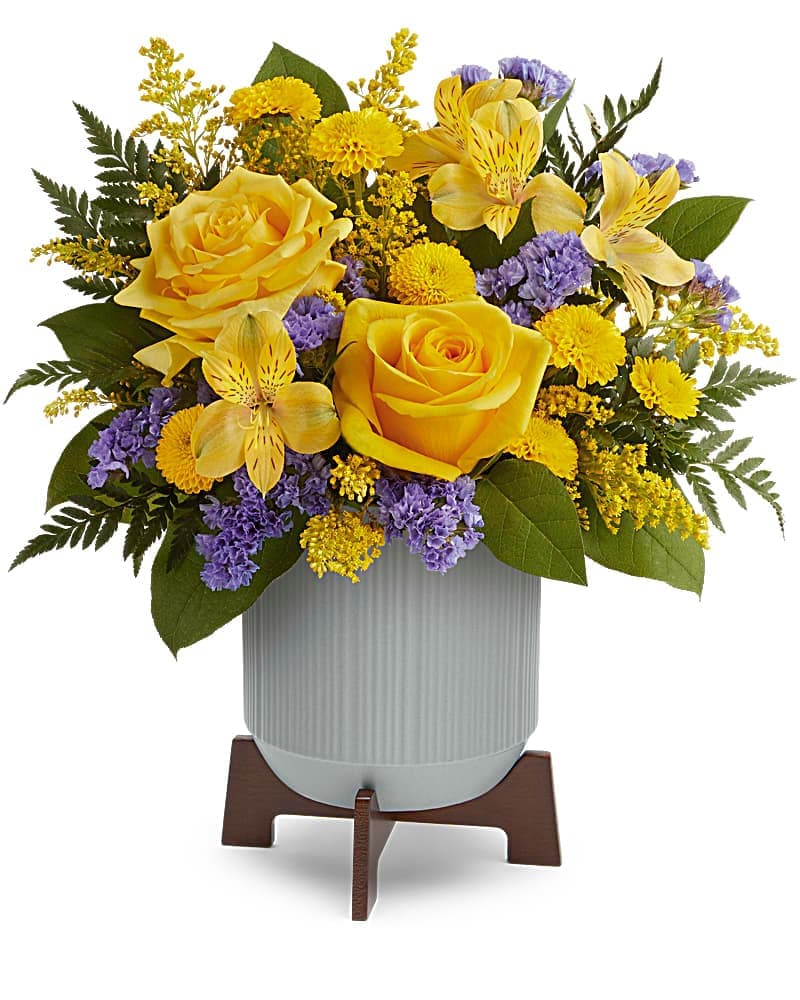
The recipients tend to repeat, and knowing which one you have makes the order obvious. There is the parent or neighbour who no longer drives — a Thousand Oaks bungalow, a 1920s house off the Marin Circle fountain in Northbrae, a flat in Kensington up the Arlington — for whom the walk to Solano Avenue has quietly become too far, and for whom flowers arriving at the door is the event of the week rather than a decoration. Solano Florist works that whole northern arc. There is the person mid-dissertation in year six on a Southside block, working through a summer with no deadline in sight, where Campus Flowers is round the corner. There is the neighbour who has taken in the post for eleven years, watered the tomatoes through two August holidays and never once asked for anything, which in a city where the same families hold the same houses for decades is a real and unrepaid debt. There is the friend in the Lorin District or the west Berkeley flats who has just come out of a bad month that had no name and no funeral and no card aisle. And there is the housemate — Berkeley being a city of shared houses — who has been quietly carrying the kitchen. The Elmwood, Claremont and Ashby-corridor addresses among them belong to Ashby Flowers at the Telegraph corner; the rest fall to whichever of the three in-city benches is nearest the door.
The freedom of a no-occasion delivery is that nothing is ruined by a day's slip, which means you should pick the day for the recipient rather than for the calendar. Tuesday to Thursday is the sweet spot: benches are calmer than they are on a Friday, product has just come in, and a midweek bouquet arrives into a flat stretch of somebody's week where it does the most work. Sunday is the day most independent benches in the East Bay stand idle, so a Sunday idea is really a Saturday delivery. Then the local calendar, which genuinely affects whether a driver can reach a door. On the second Sunday in September, Solano Avenue closes for the Solano Stroll along roughly a mile between The Alameda and San Pablo Avenue — an address on those blocks is a walking delivery that day, and Solano Florist is inside the closure. On Cal home football Saturdays the Southside streets and the roads around Memorial Stadium go to permit parking and rolling closures, and Piedmont Avenue and Gayley Road stop being usable. Late August move-in week turns Durant, Channing and Dwight into a loading zone with no space in it. Commencement weekend in May fills downtown. And the Saturday market itself closes Center Street. None of these stops a delivery; each of them is a reason to pick Wednesday instead.
Two Berkeley addressing habits and one line about the card. First, the rear cottage. This city has an unusual number of second dwellings behind main houses — converted garages, in-law cottages, studios at the end of a driveway — and their addresses arrive as *1234A*, *rear unit*, or nothing at all. Write the path: *rear cottage, gate on the left of the driveway, past the bins*. Second, the side gate. On a great many Berkeley houses the formal front door has not been used since the 1970s; everybody comes through a side gate or a kitchen door, and a bouquet left at the unused front step under a hedge can sit there until dark. Say which entrance is the live one and, if nobody will be home, which spot is shaded — Berkeley's deep porches under mature oaks and redwoods will hold an arrangement comfortably for a couple of hours. No one needs to be in for a just-because delivery, which is half of its appeal. Then write the card, because with no occasion attached the card is the gift: a sentence that says why now. *I walked past a garden that smelled like yours.* *You have had a rotten month and I noticed.* *No reason.* It is hand-written by the shop, it costs nothing at checkout, and it is the part that gets kept on the fridge long after the stems have gone.