Bergenfield has no hospital, and the three that matter each lie in a different direction, on a different road, with a different kind of front door. Holy Name Medical Center is the closest, roughly two miles straight south on Teaneck Road — the continuation of the corridor that leaves the borough as South Washington Avenue, which makes it the one hospital a Bergenfield van reaches without turning off the main line. Englewood Health is about three miles southeast on Engle Street, reached across Clinton Avenue and down through Englewood past Palisade Avenue, and it is the hospital many households on the eastern side of the borough default to because it is simply the nearest thing over the Tenafly and Englewood edge. Hackensack University Medical Center is roughly four miles west on Prospect Avenue in Hackensack, over the Hackensack River, and it is by far the largest of the three — the campus holds the John Theurer Cancer Center, the Joseph M. Sanzari Children's Hospital and the Donna A. Sanzari Women's Hospital, which is why a Bergenfield family dealing with a serious diagnosis, a paediatric admission or a complicated birth is usually on that side of the river rather than in Teaneck. Further out, still inside the same-day radius, Bergen New Bridge Medical Center on East Ridgewood Avenue in Paramus handles the county's long-stay and behavioural side, and The Valley Hospital now sits on its newer Paramus campus. One warning that catches out-of-town senders every time: Prospect Avenue in Hackensack, the hospital address, and Prospect Avenue in Bergenfield, a residential street, are two different streets several miles apart. Write the town.
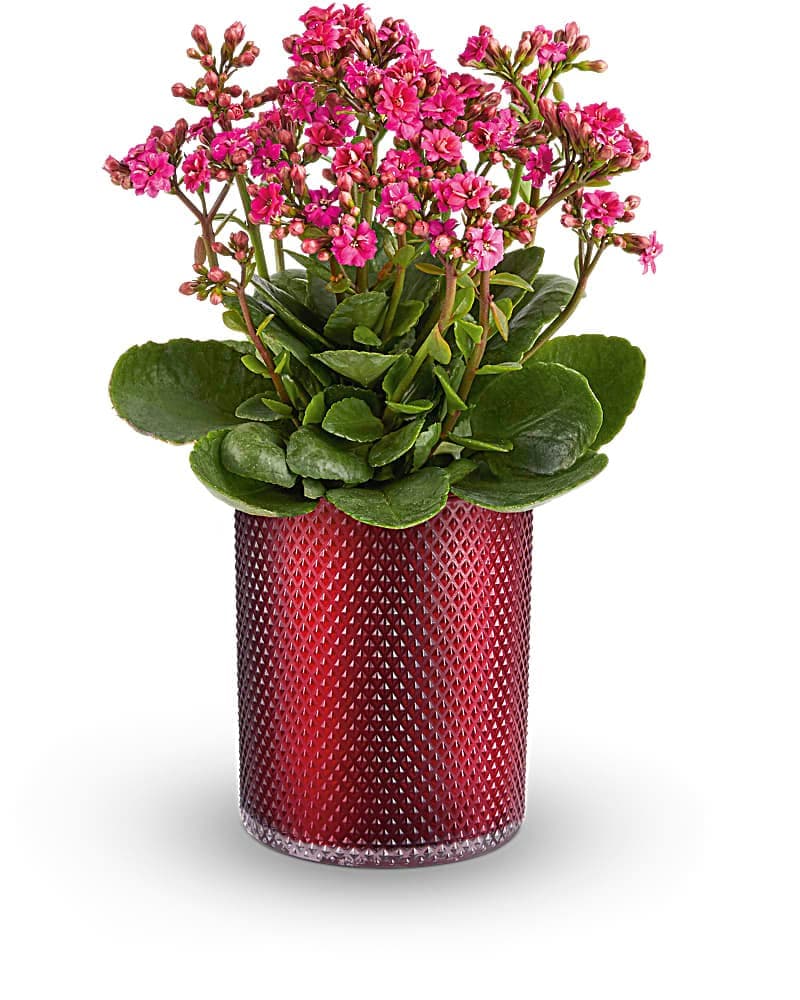
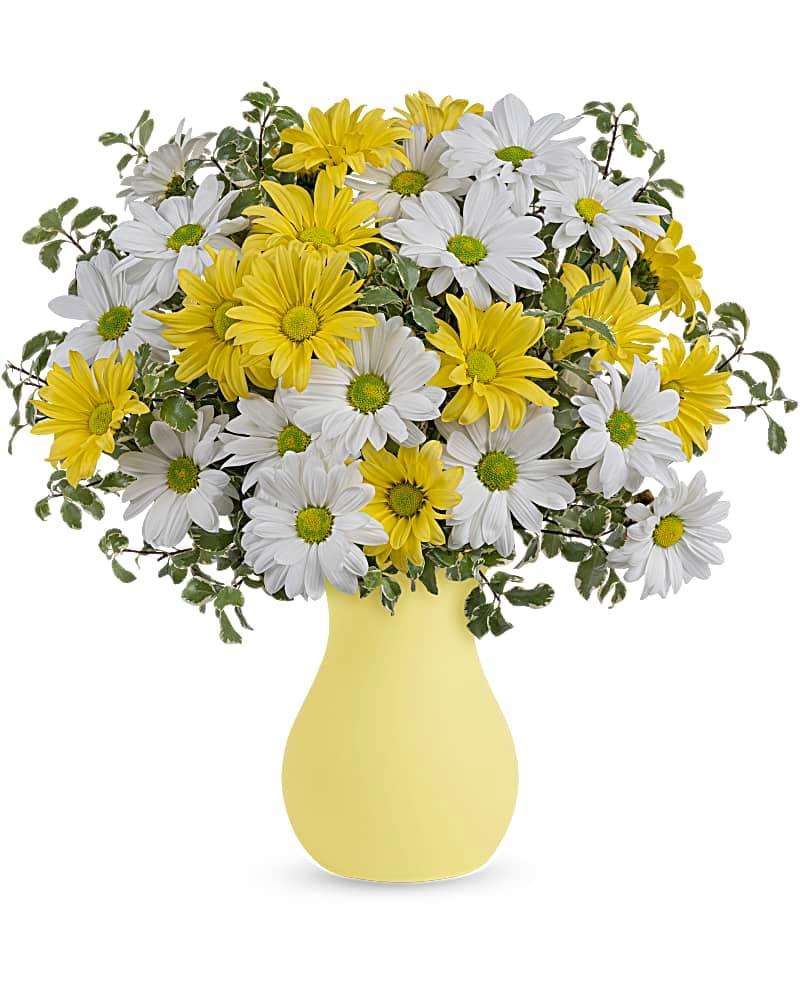
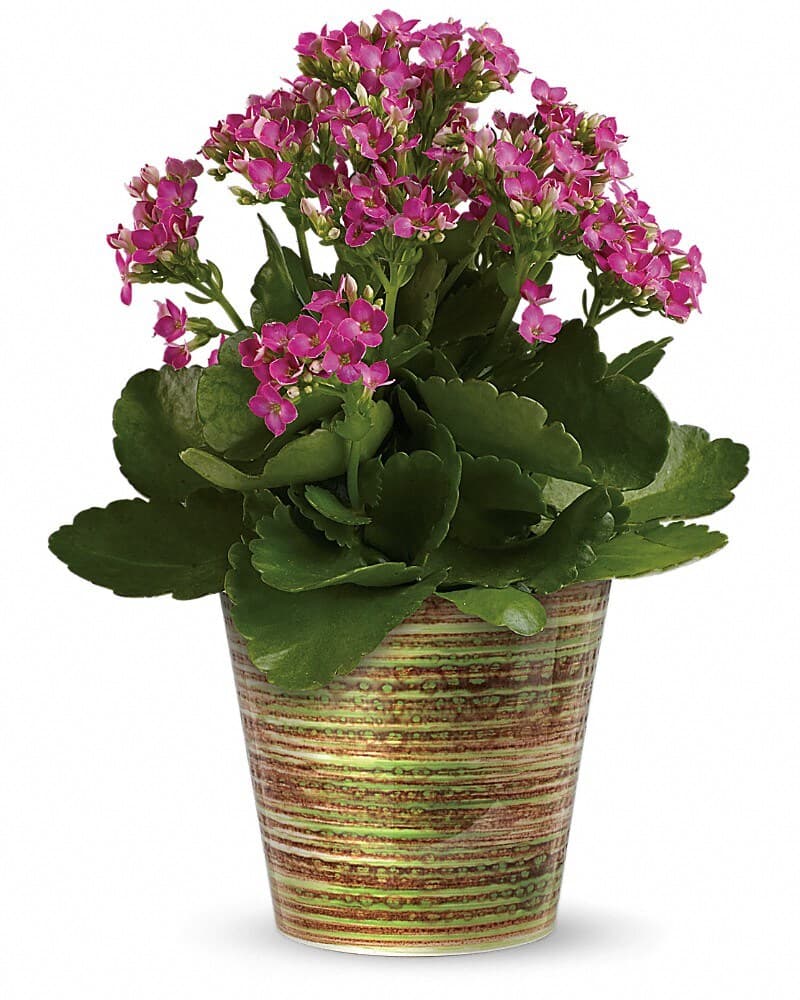
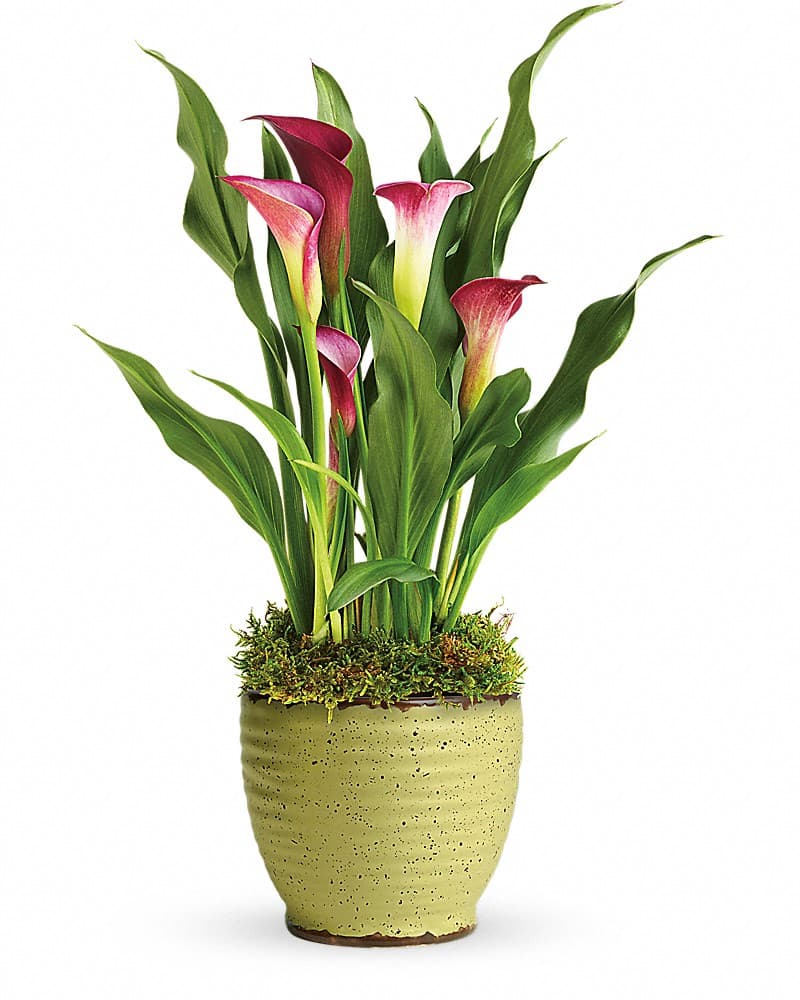
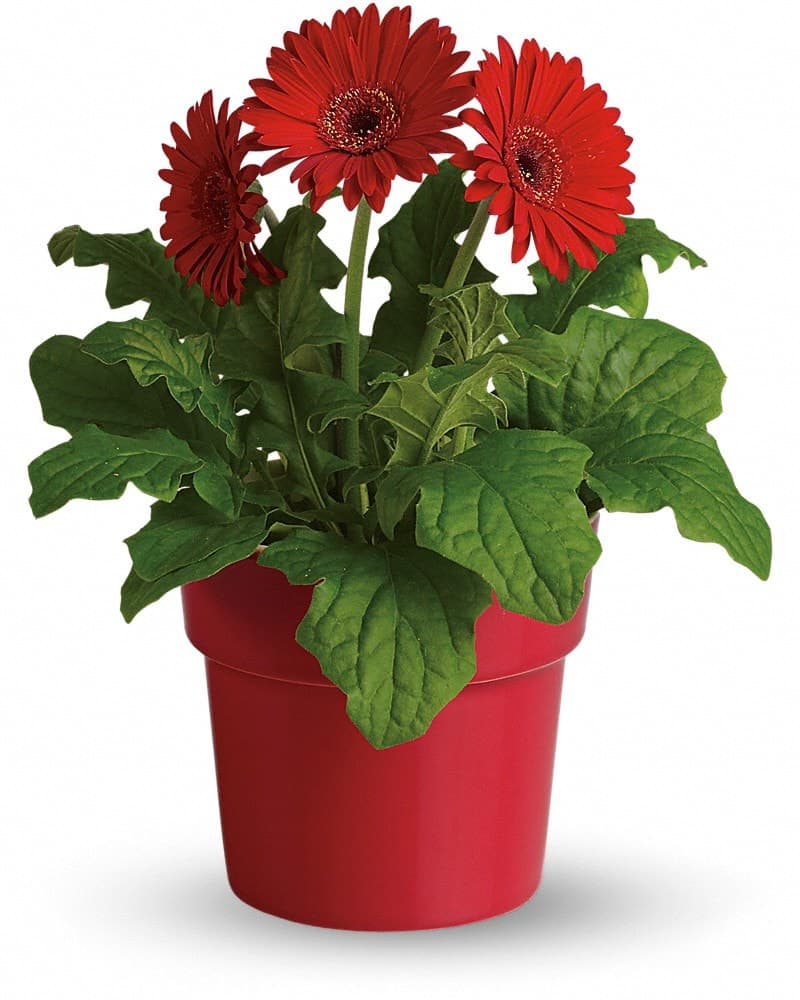
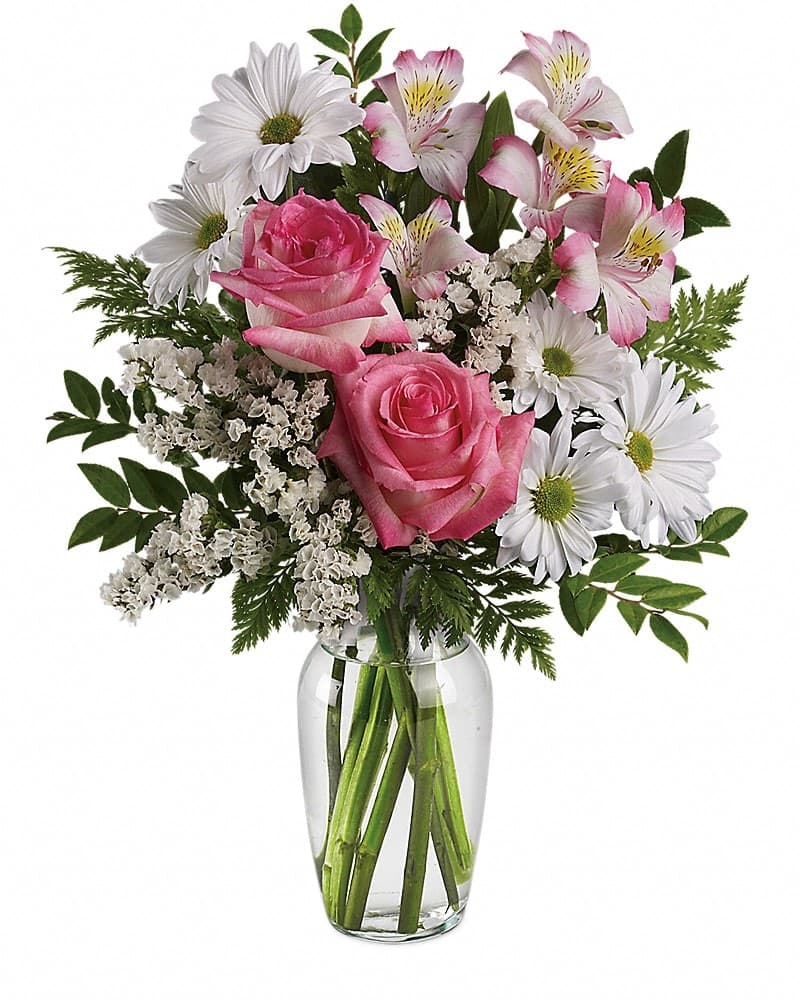
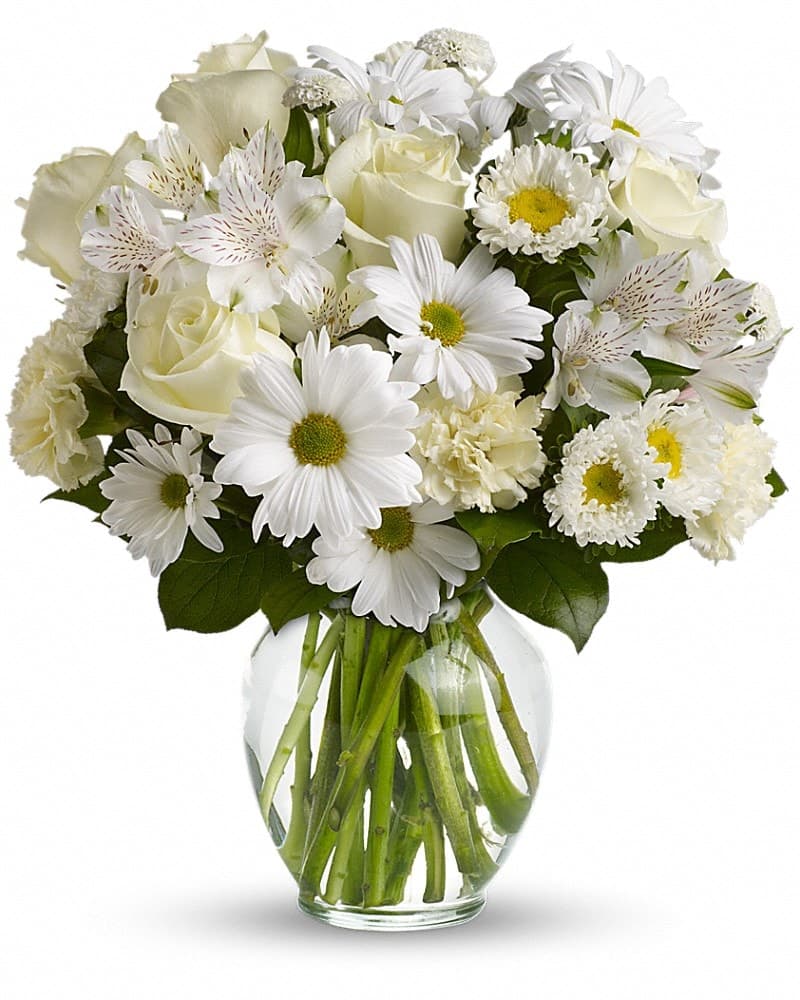
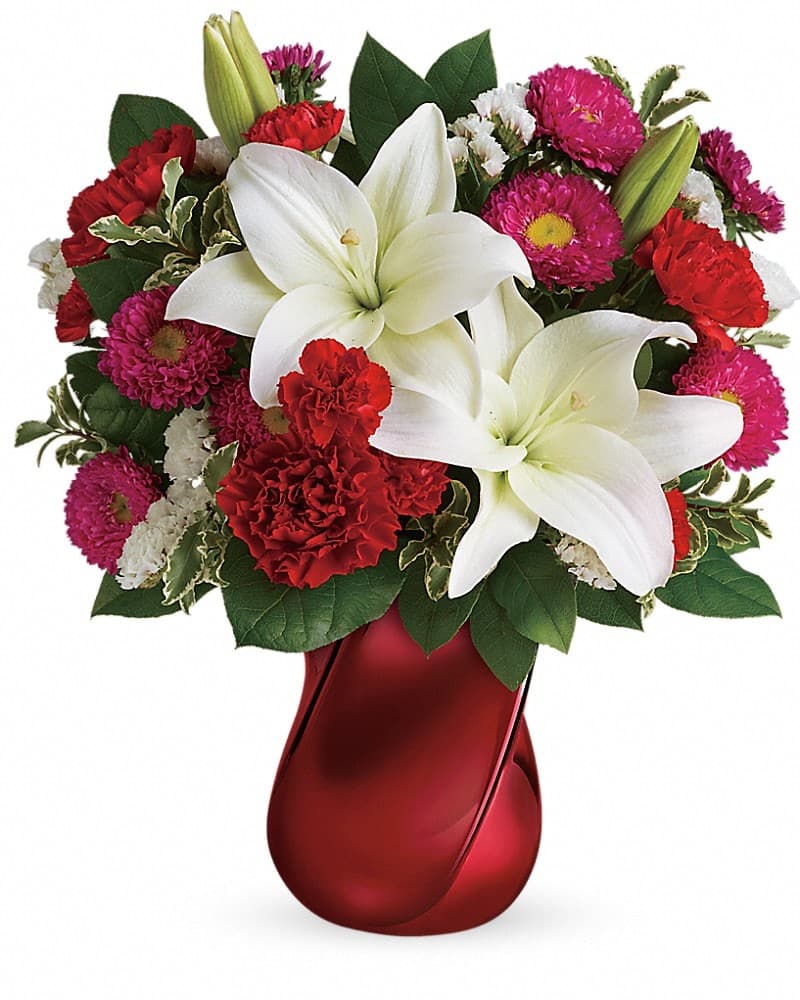
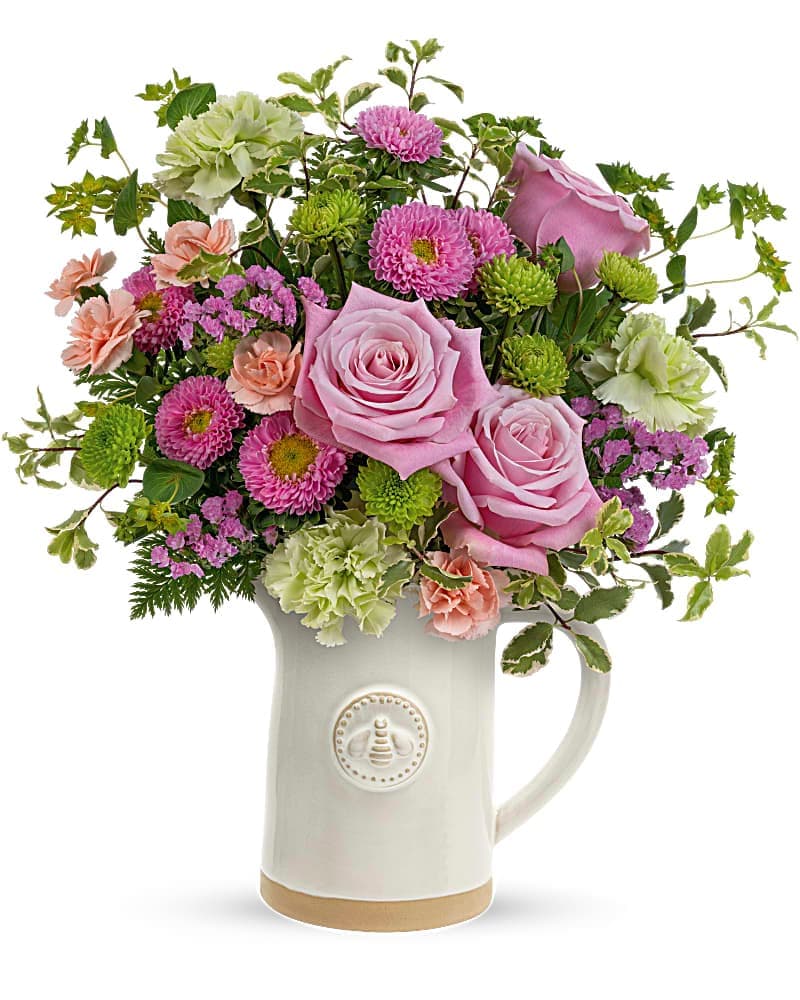
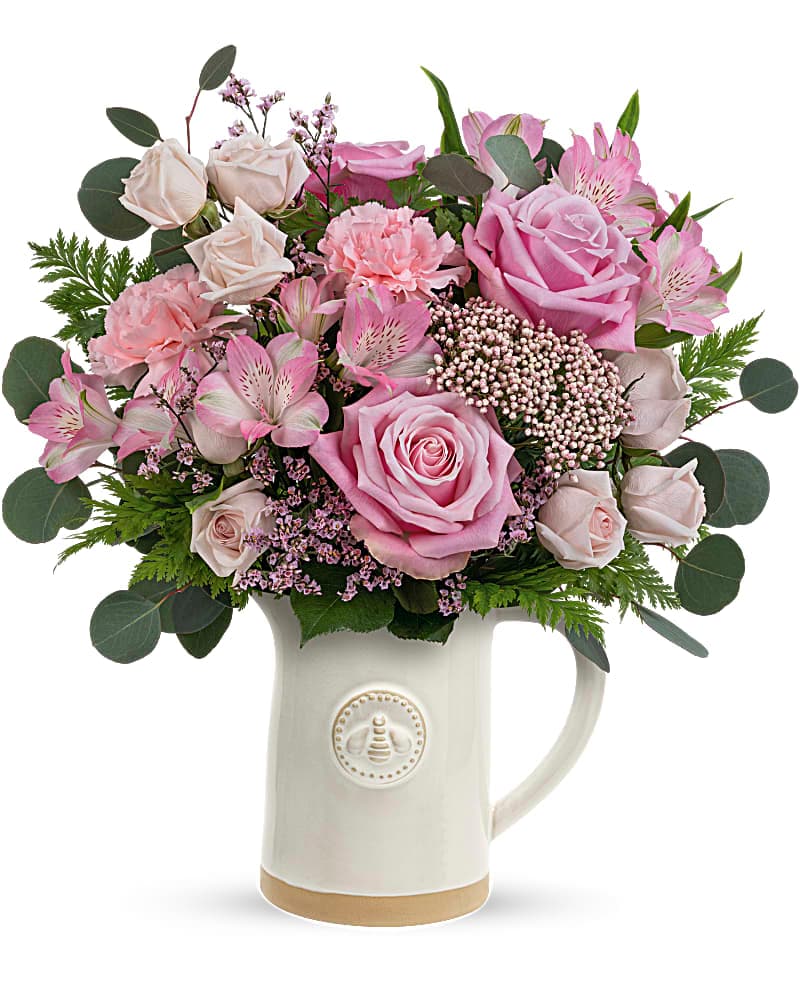
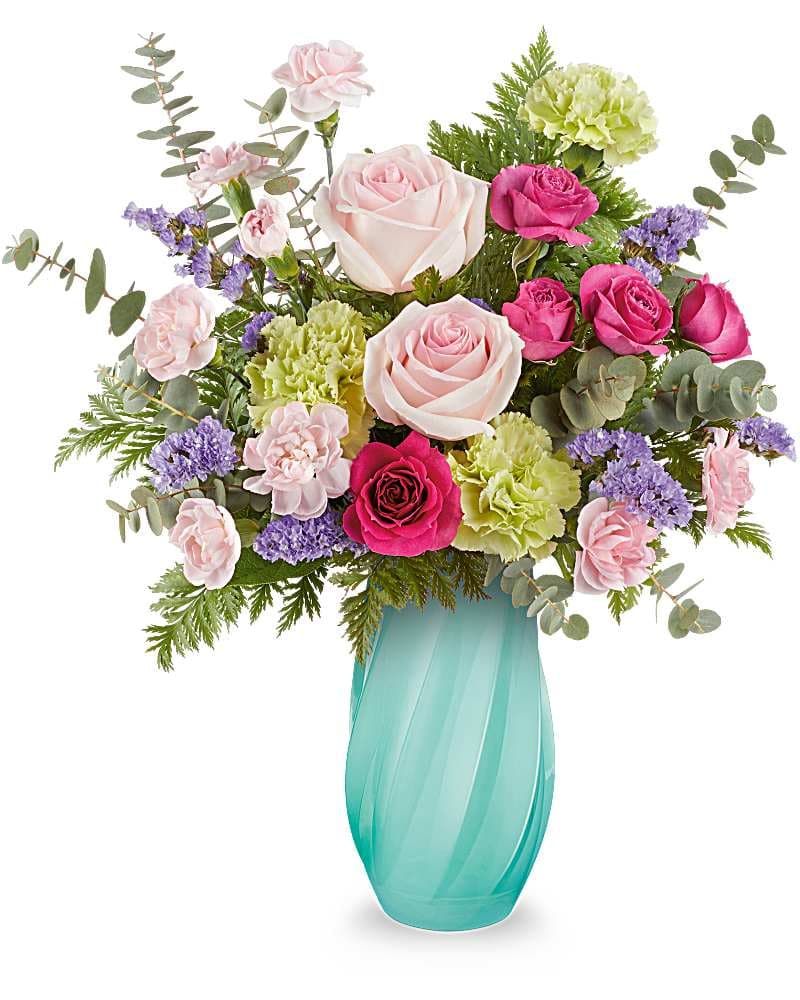
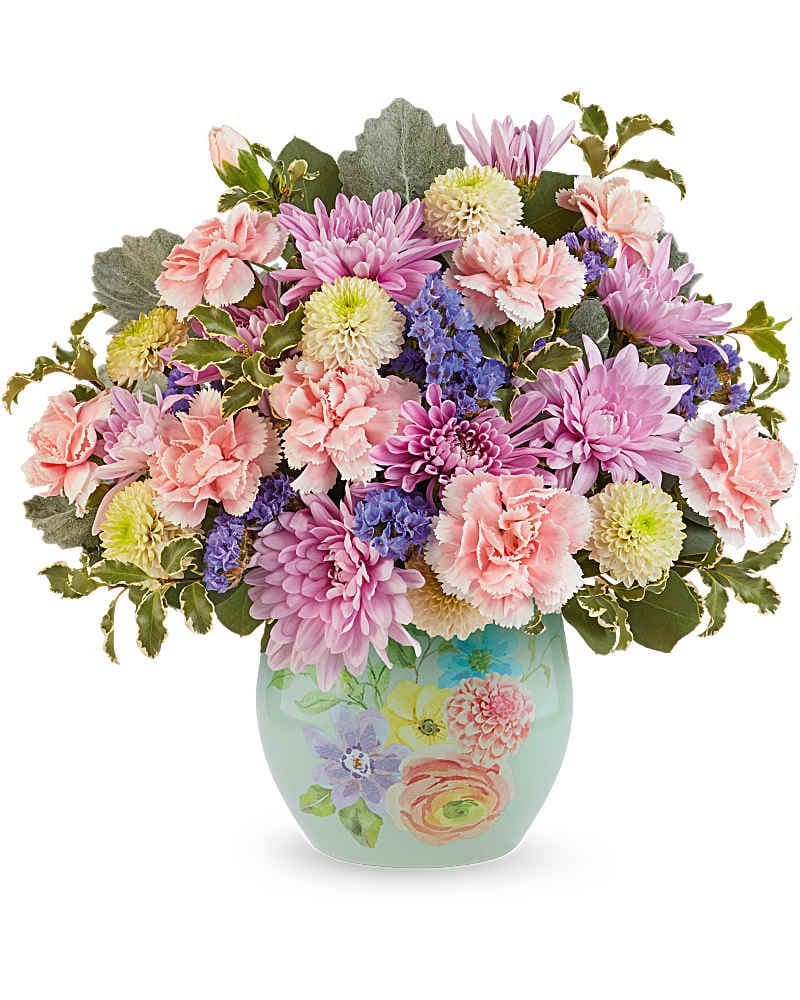
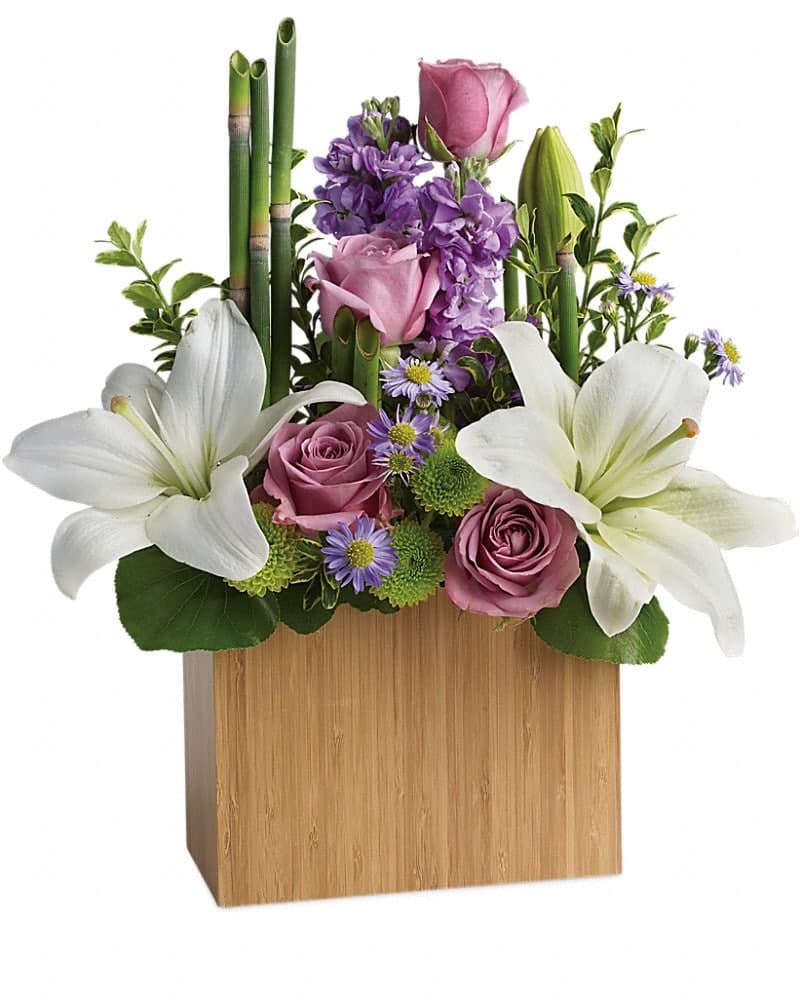
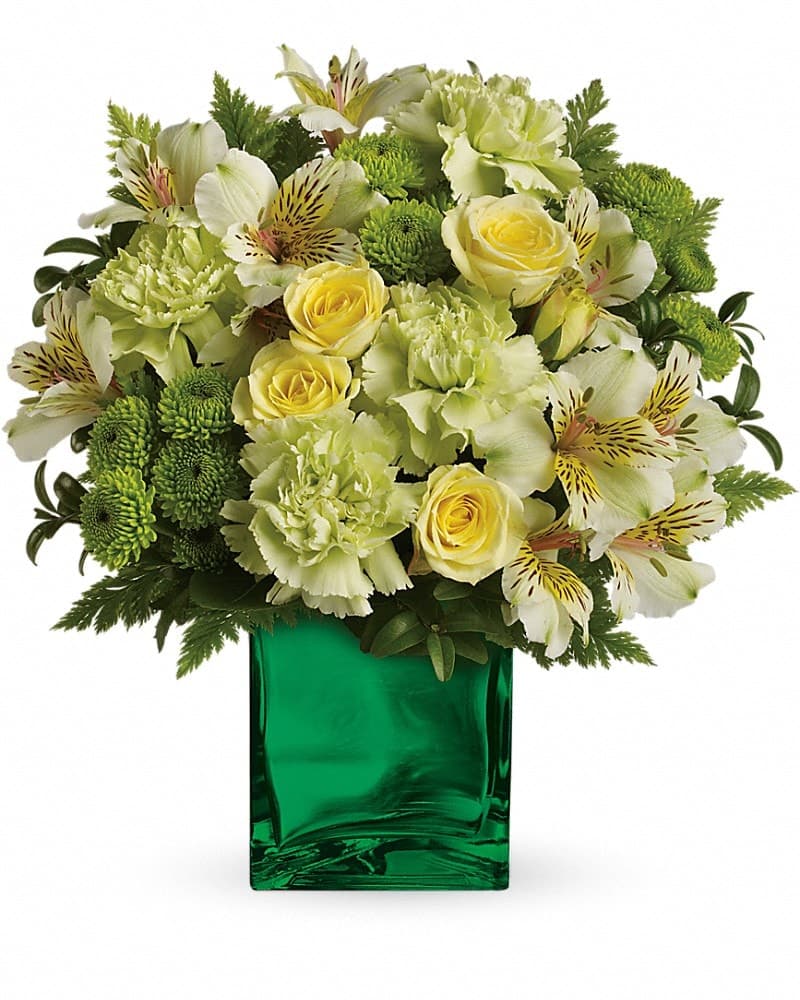
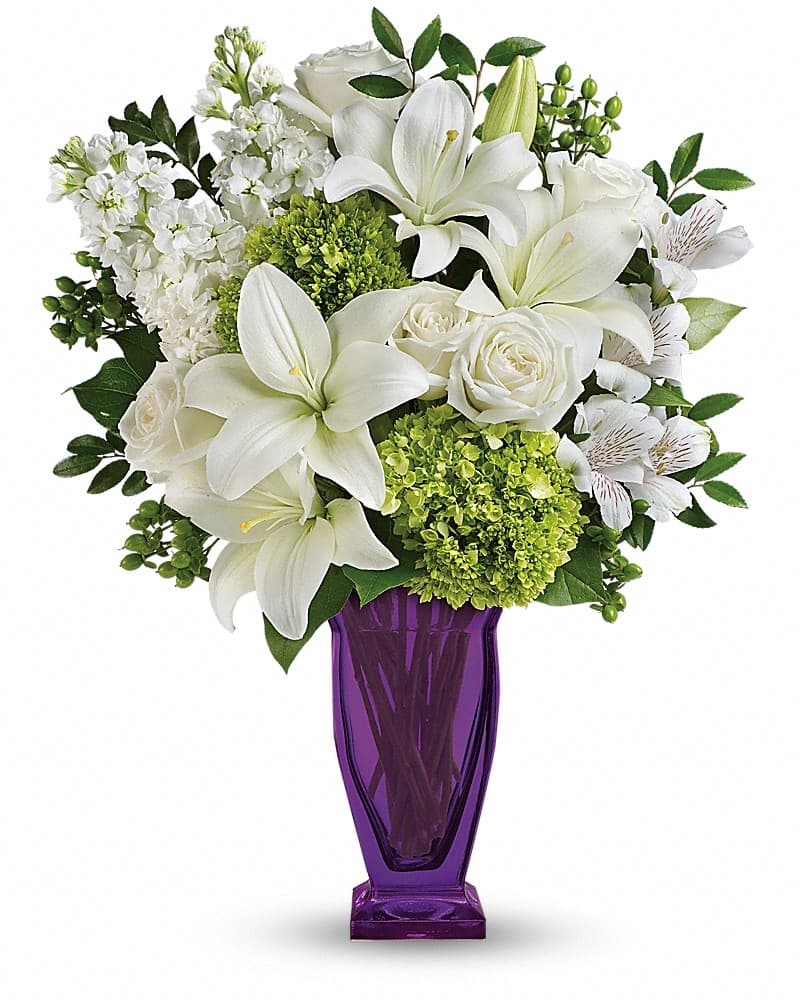
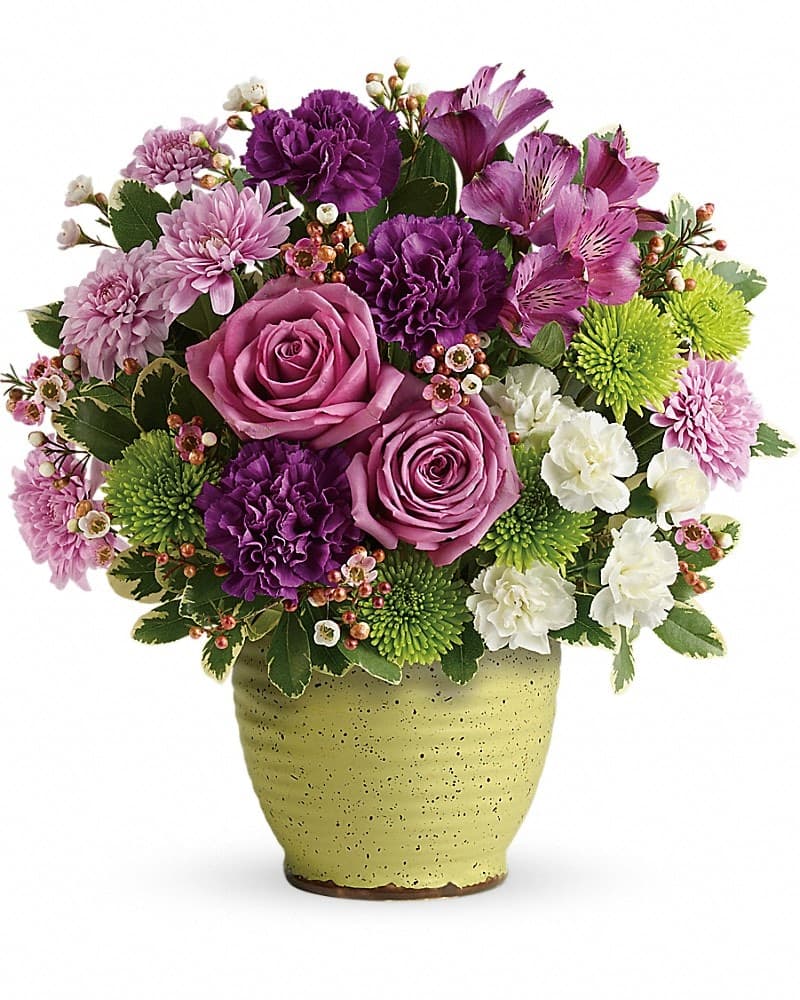
Before you order anything for a hospital room, call the unit — not the main switchboard, the unit. This is the single step that decides whether the flowers arrive or get turned away at a nurses' station, and no page can answer it for you, because the answer changes by floor and sometimes by week. Cancer and transplant units commonly decline both cut flowers and potted plants, the second more firmly than the first because soil carries spores; intensive care generally has neither the surface space nor the staff minutes; a maternity floor is usually the easiest yes in the building. If the unit says yes, three practical things make the difference. Send something already arranged in its own container, because nobody on a ward is going to hunt for a vase and a pair of scissors. Keep it small enough for a bedside tray table, since anything taller gets moved to a windowsill on the far side of the room and left behind at discharge. And skip heavy scent and pollen-heavy stems, which in a shared room affects the person in the other bed as much as the patient you are thinking of — lilies are the usual culprit, and they are worth avoiding for a household with a cat when the flowers eventually go home too. If the stay is short, and most are, consider sending nothing to the hospital at all. Flowers do not follow a patient out of the building, and an arrangement waiting at the house for the afternoon they get back is the better version of the same gesture.