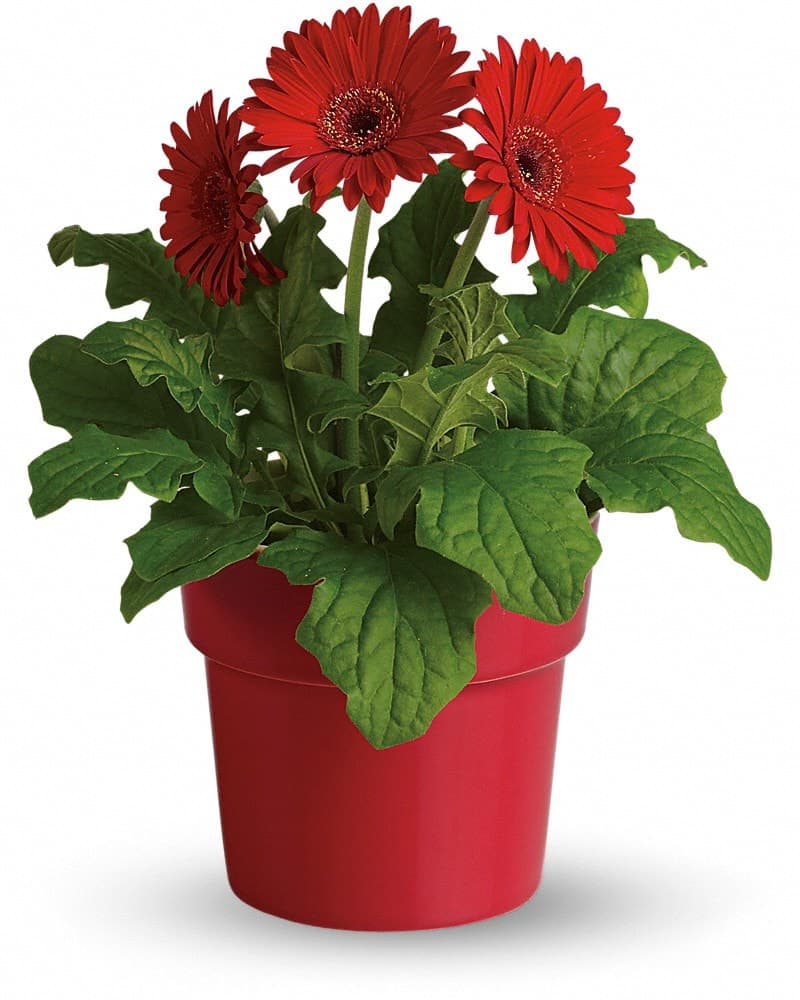
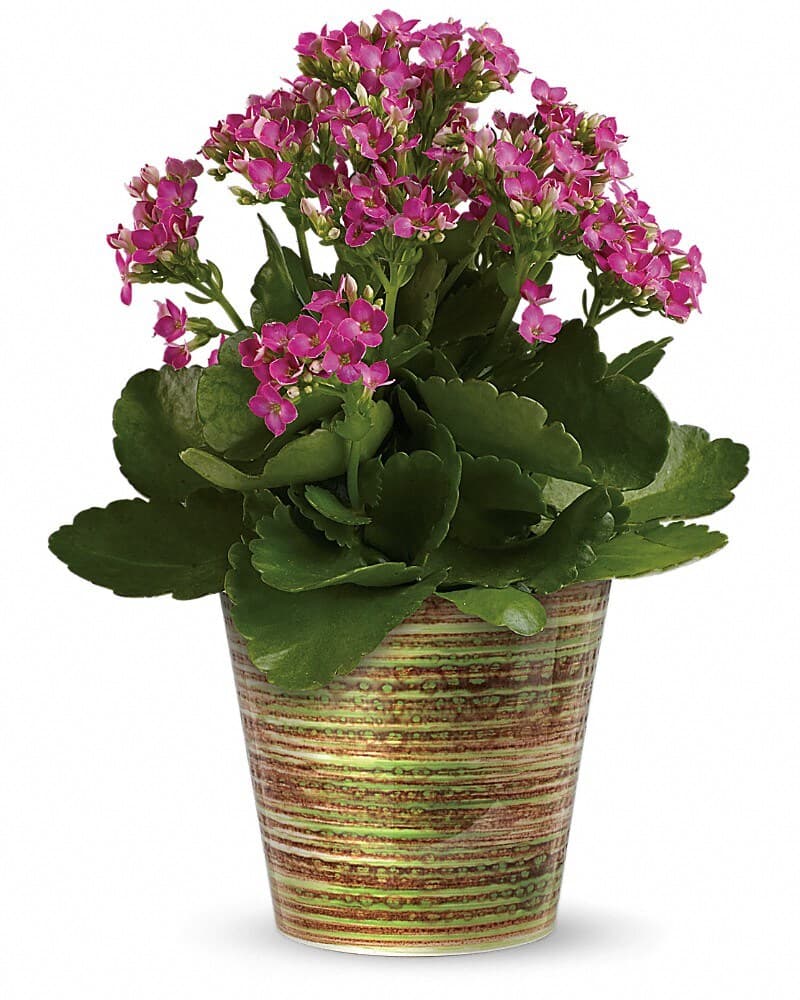
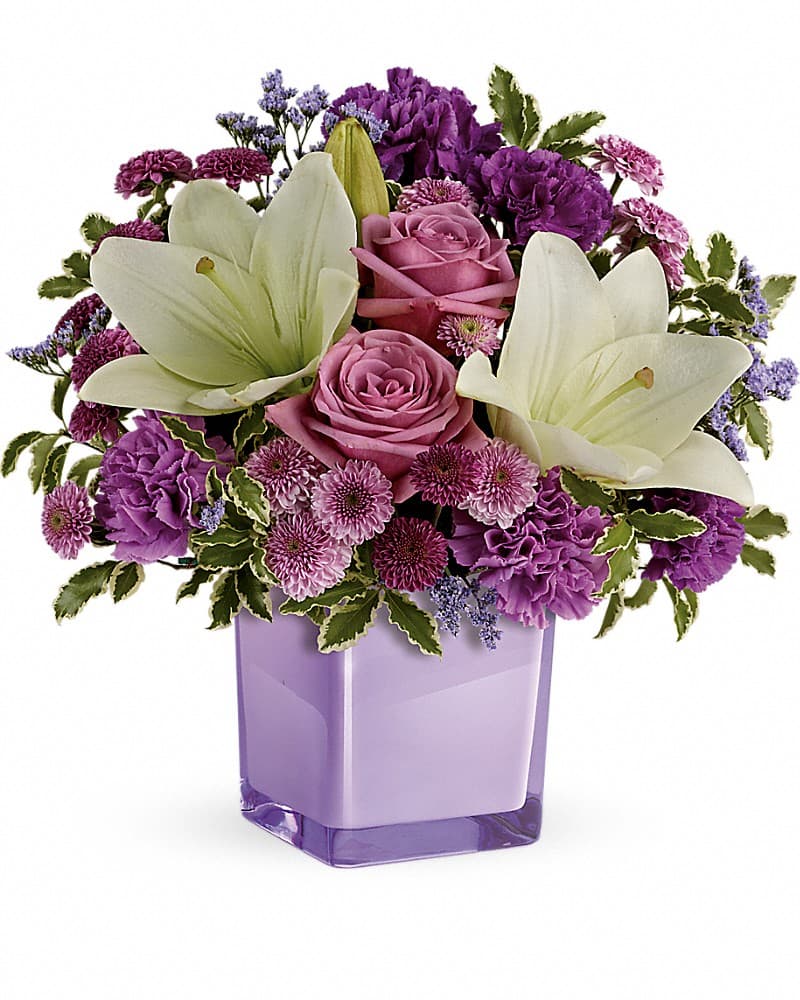
Belleville's hospital is named after a nurse who died of the disease she was helping to study. Clara Maass was born in East Orange in 1876, was head nurse at the Newark German Hospital while still in her early twenties, and in 1901 volunteered in Havana for the mosquito-inoculation experiments that established how yellow fever spreads. She was 25 when it killed her. The Newark German Hospital eventually became Clara Maass Memorial Hospital and then Clara Maass Medical Center, and it now stands at 1 Clara Maass Drive as the only hospital inside this township and its single largest employer. That history is worth knowing because it shapes what a get-well delivery here actually is. A large share of the flowers ordered into 07109 are going to a building full of nurses, and nurses are the most opinionated recipients in the business: they know exactly which units will not accept soil, which patients cannot have fragrance, and which arrangement is going to end up in the hallway because it does not fit on a tray table. Order as if a nurse is going to evaluate the design, because one will.
The floor rules are not squeamishness and they are not the same on every unit, so it is worth understanding what you are working around. Lilies are the most commonly refused flower in a hospital: the pollen is heavy, it stains, and it is a problem for patients with respiratory compromise. Our shops will build lily-free on request without substituting something worse. Pollen and fragrance generally are restricted on oncology and chemotherapy floors, where nausea is a constant, and strong scent in a shared room is a complaint waiting to happen. Soil is the strict one. Potted plants are refused on transplant, oncology and many intensive care units because the soil itself carries fungal spores that are dangerous to immunosuppressed patients — this is why a plant that would be perfect for a recovering-at-home knee replacement is the wrong object entirely for a bone marrow unit. Fresh flowers of any kind are barred outright from many ICUs and from neonatal units. Latex balloons are an allergy risk and are refused widely, and glass is restricted on behavioral health units. Finally, size: hospital rooms have a tray table and a windowsill, and a design taller than about eighteen inches or wider than the sill gets moved out. Compact and dense beats tall and impressive on every floor in this county.
The hospital map within an 18-mile Belleville radius is unusually dense, which is one advantage of ordering into Essex County. Clara Maass Medical Center (1 Clara Maass Drive, Belleville, RWJBarnabas Health) is in the township. Hackensack Meridian Mountainside Medical Center (1 Bay Avenue, Montclair) is about a mile and a half west of the Bloomfield line. South in Newark: University Hospital (150 Bergen Street), the Level 1 trauma center attached to Rutgers New Jersey Medical School; Newark Beth Israel Medical Center (201 Lyons Avenue) with the Children's Hospital of New Jersey inside it; and Saint Michael's Medical Center (111 Central Avenue). West, Cooperman Barnabas Medical Center in Livingston, long known as Saint Barnabas. North, St. Joseph's University Medical Center (703 Main Street, Paterson) with St. Joseph's Children's Hospital, St. Mary's General Hospital in Passaic, and Hackensack University Medical Center (30 Prospect Avenue) with the John Theurer Cancer Center. Also inside the radius: the East Orange VA Medical Center on Tremont Avenue, the Kessler Institute for Rehabilitation in West Orange, Hoboken University Medical Center and Jersey City Medical Center. Pediatric floors at Newark Beth Israel and St. Joseph's run the tightest rules of the set — assume no soil, no lilies, no latex and no fragrance unless the unit says otherwise.
Half of all get-well orders here never touch a hospital at all, and the Belleville housing stock makes those deliveries their own small problem. This is a township of roughly 38,000 people in about three and a half square miles, overwhelmingly two- and three-family houses with a shared front porch four or five steps up from the sidewalk and no driveway. The entire point of a get-well delivery is that the recipient is not moving well, and a person three days out of hip surgery is not coming down those steps to collect a vase. Tell us the floor — upstairs or downstairs — and tell us if the recipient cannot get to the door, and the driver will ring the other unit or a named neighbor instead of leaving a heavy glass vase on a step. A phone number helps more here than on any other occasion. If the recovery is a long one, the better object is a plant rather than cut stems: it does not need to be re-cut and re-watered every two days by someone who is supposed to be resting, which is the practical reason plants outsell bouquets for home recovery in this township even though they are the wrong choice for a hospital floor.