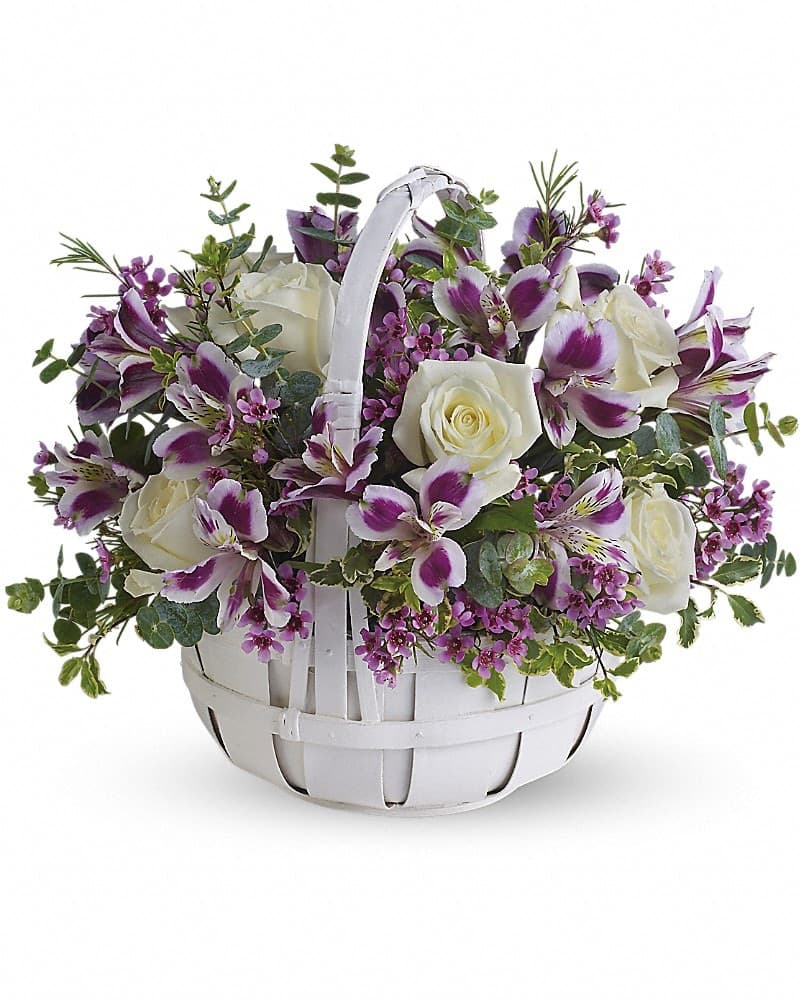
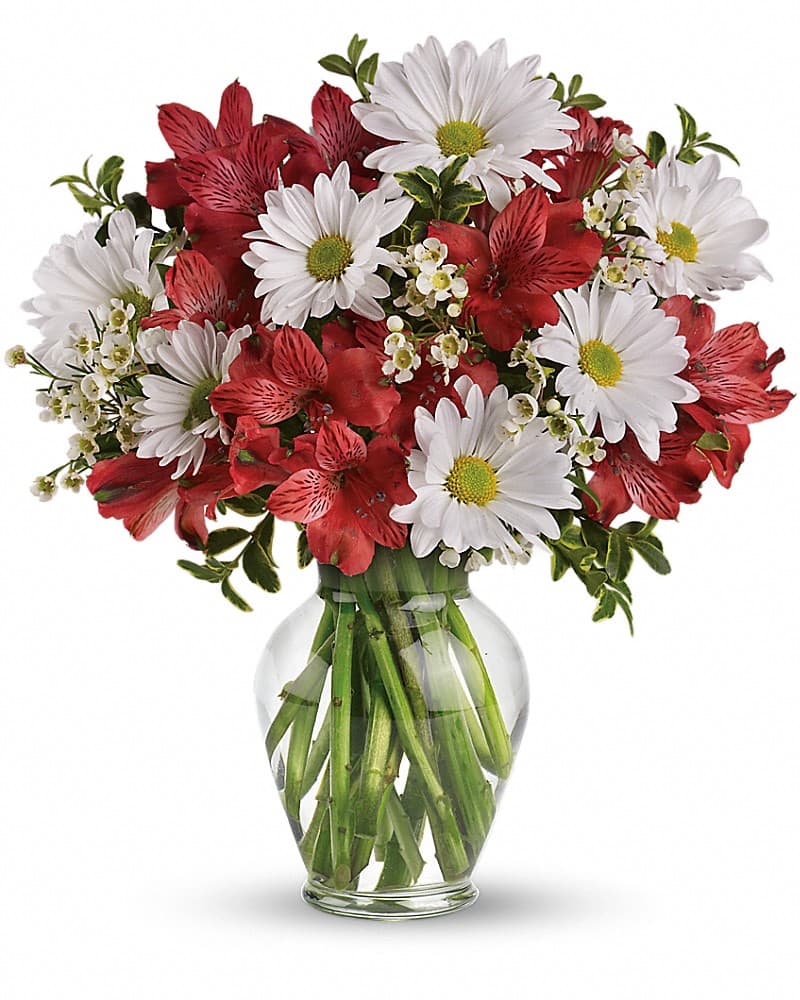
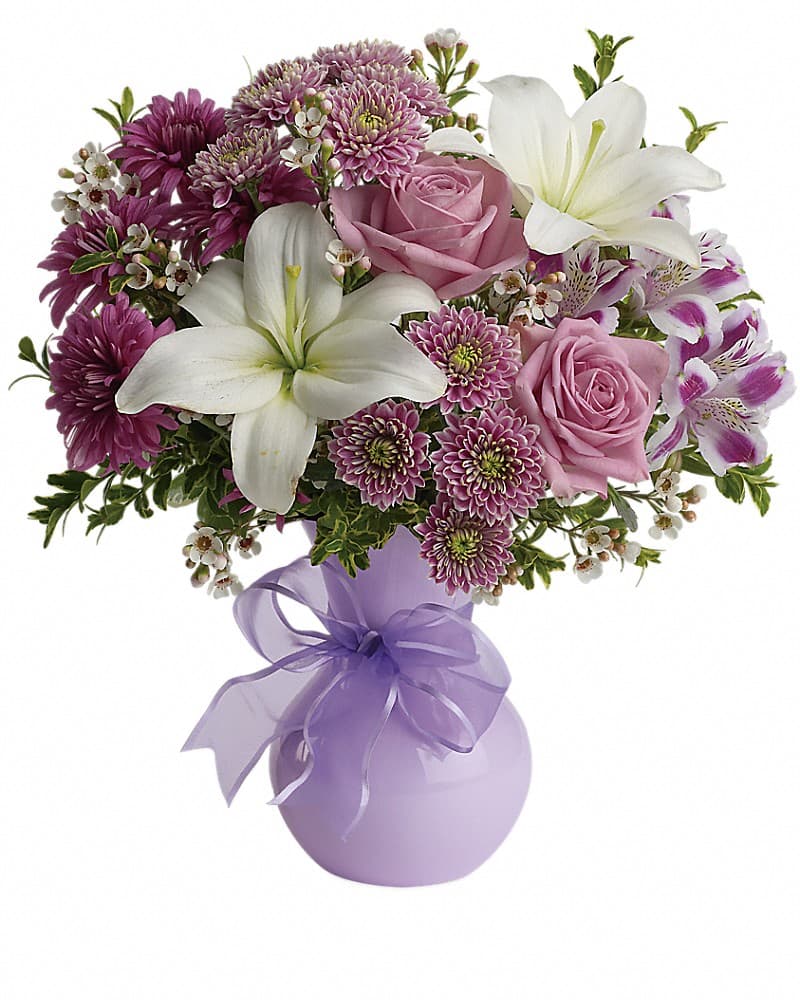
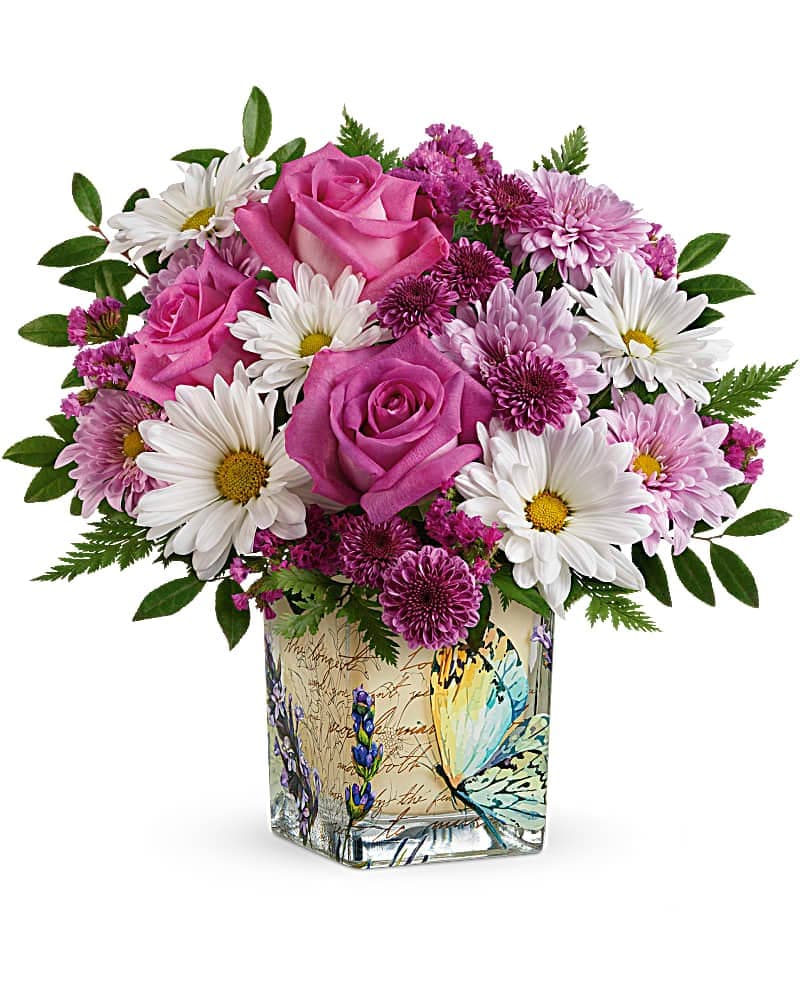
The first thing to get right here is not the bouquet, it is the building. Allentown is a two-network town, and the three addresses people mean when they say hospital are three different drives. Lehigh Valley Hospital–Cedar Crest, the Level I trauma center, sits out on South Cedar Crest Boulevard near the I-78 interchange past the city line, on a campus signed by pavilion rather than by street — the Kasych and Jaindl pavilions, the Lehigh Valley Topper Cancer Institute, Lehigh Valley Reilly Children's Hospital. LVH–17th Street, the hospital older Allentonians still call Allentown Hospital, is inside the city grid on West Chew. St. Luke's Allentown is at 1736 Hamilton Street, a building plenty of families here go on calling Sacred Heart. Add St. Luke's University Hospital–Fountain Hill up on Ostrum Street, LVH–Muhlenberg out Schoenersville Road toward the airport, and St. Luke's Anderson on the Route 33 side, and you can see why the single most valuable line on the order is not the city — it is the campus, the pavilion or unit name, and the room. Patients also move mid-stay, out of intensive care onto a step-down floor or off a surgical floor into rehabilitation, more often than someone ordering from two states away expects. Put a family member's mobile number on the order so there is someone to call when the room on the card is no longer the room they are in.
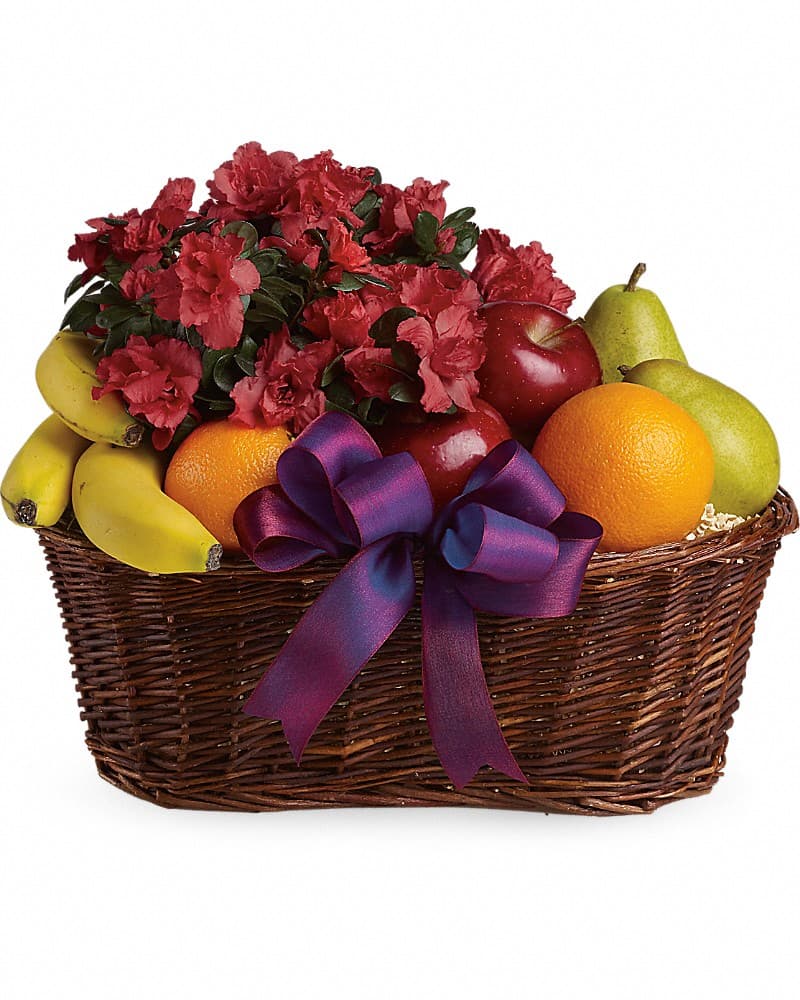
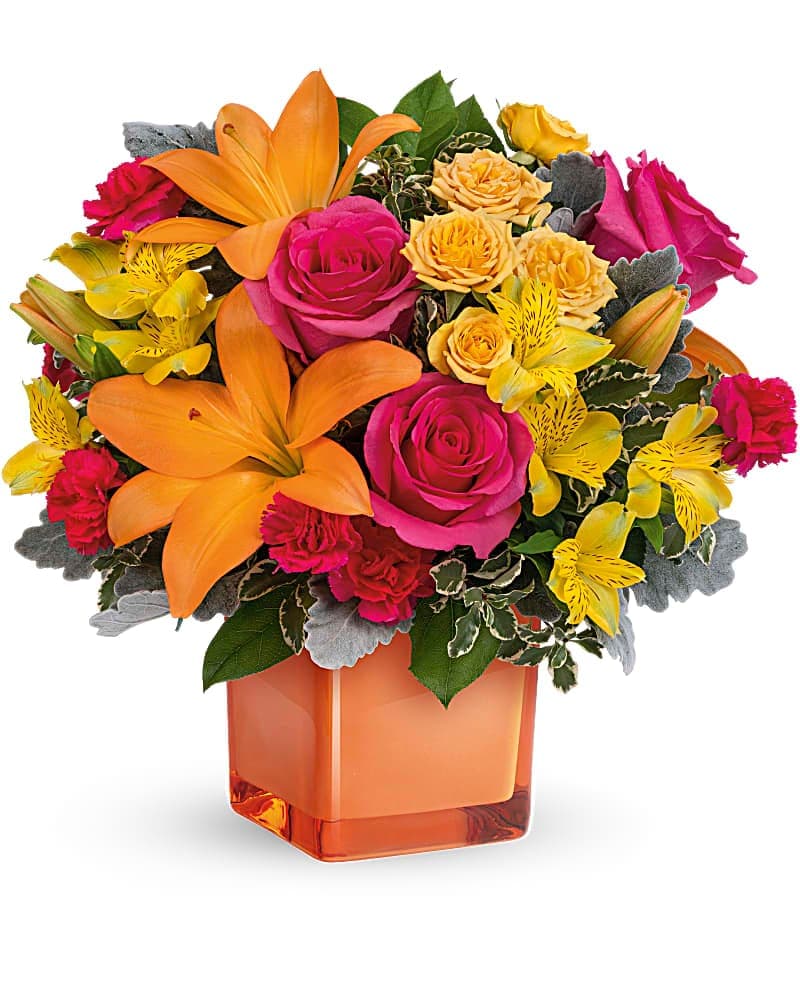
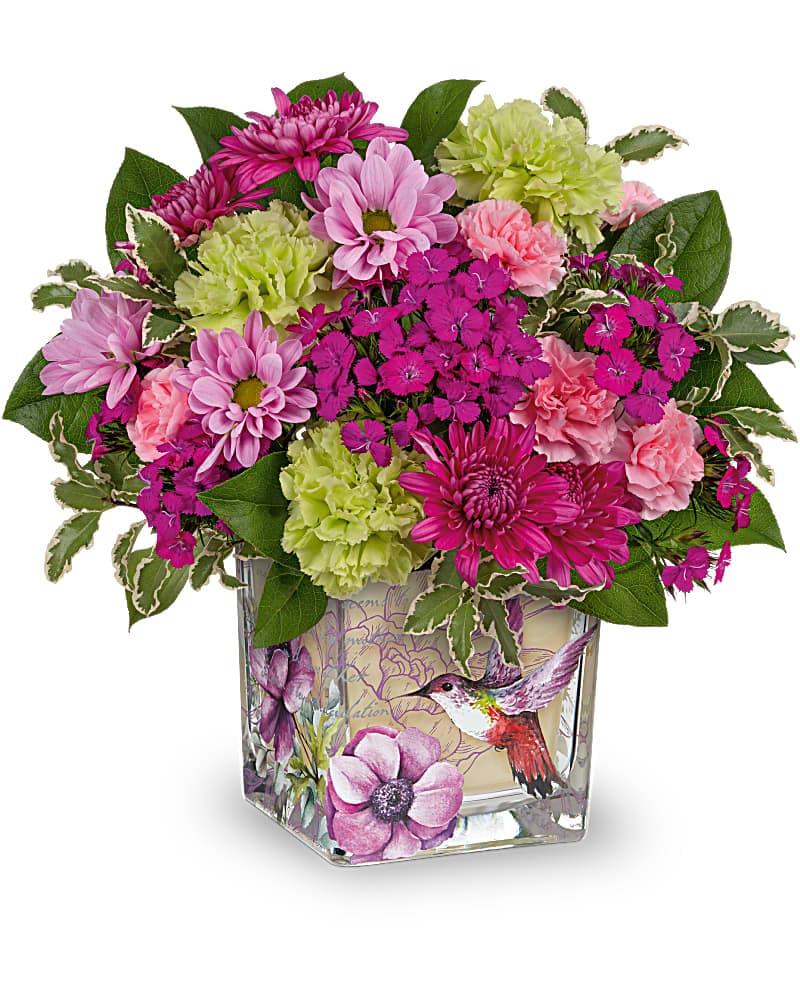
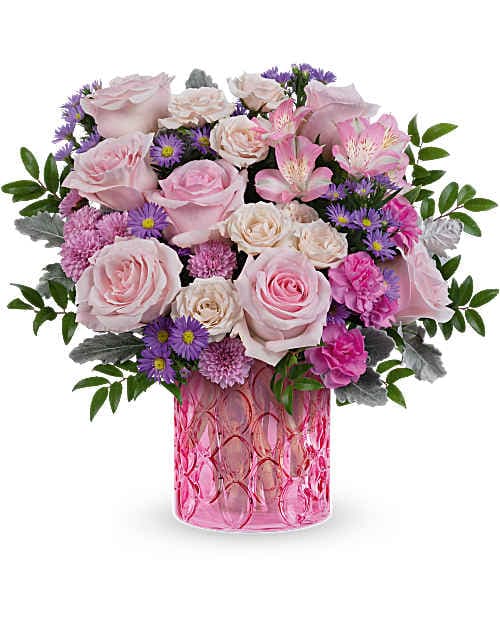
Now the part that decides whether the flowers make it past the door. Ask the unit, or tell us the unit and let the studio ask — floor rules are set floor by floor and they are not posted anywhere you can look up. What our studios do by default for a hospital build: low enough to clear a tray table, unscented, in a sealed unbreakable vessel with no exposed soil and no standing water to spill, and nothing tall enough to catch a curtain track. On an oncology or transplant floor — the infusion side of the Topper Cancer Institute is the one people ask about most — the default assumption should be that fresh flowers, potted plants and fruit may all be restricted, and the honest move is a phone call before you spend money. Intensive care generally means no delivery to the bedside at all, and most neonatal units take nothing; in both cases the workable route is a lobby or family-lounge hand-off to whoever is sitting the vigil, which the studios arrange routinely. Children's rooms have a different hazard: an arrangement gets knocked into an IV pole by a four-year-old who wants to smell it, so build small, weighted and out of glass. Many units also ask for no latex balloons, so if the balloon is the whole point, ask first.
The length of the stay should change what you send, and almost nobody thinks about it. For a two-day surgical stay, cut flowers in a vase are a small logistics problem for the patient — on discharge day the vase goes into a plastic bag in the back seat and half the stems break on the Tilghman Street bridge. For that stay, send something the recipient can carry out in one hand, or skip the hospital and send to the house for the day they get home. For a long stay, the calculation inverts. A rehabilitation admission at Good Shepherd Rehabilitation on South Fifth Street, a stay at Cedarbrook on South Cedarbrook Road, or a bed at the Phoebe Allentown campus on West Turner Street can run weeks, and there a plant or a basket earns its keep because it is still alive at week three when the cut stems from week one are gone. Two practical notes for those buildings: keep the piece small, because the surface it has to live on is a nightstand or a shared dining table rather than a sideboard, and expect the hand-off at a front desk rather than a room door. Put the room or apartment number on the order anyway — it is what gets it walked back to the right person.