Start with the floor, not the flowers. Allen's own hospital, Texas Health Presbyterian Hospital Allen, sits on North Central Expressway in 75013, and for a short admission or an emergency visit that is where an Allen family usually ends up. But Collin County's larger campuses are in the towns on either side, and a serious diagnosis tends to move the patient there: Medical City McKinney on Medical Center Drive, Baylor Scott & White Medical Center – McKinney on West University Drive and Methodist McKinney Hospital on Eldorado Parkway to the north; Texas Health Presbyterian Hospital Plano on West Parker Road, Medical City Plano on West 15th Street, Children's Medical Center Plano on Preston Road and Baylor Scott & White The Heart Hospital – Plano on Allied Drive to the south. All of those sit inside the 18-mile radius our Allen grid searches. What does not is downtown Dallas — the big academic campuses there are roughly 25 miles out, past the radius, so if the patient has been transferred into Dallas proper, order from the Dallas page rather than this one and you will get a studio that is actually close to the room.
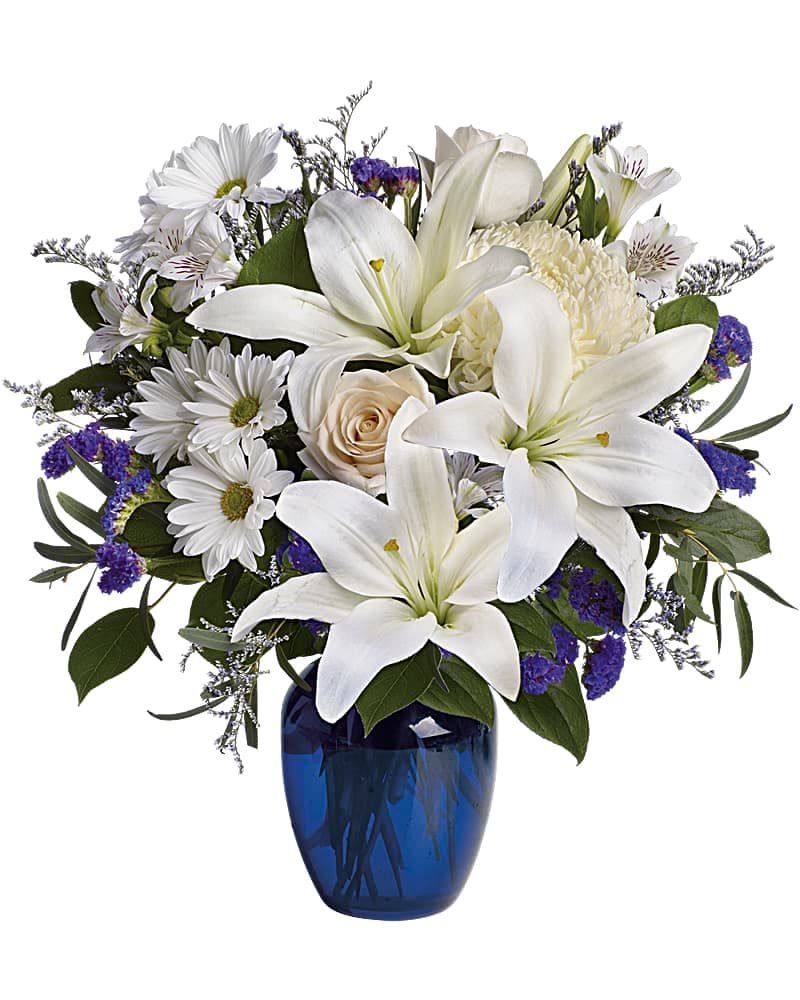
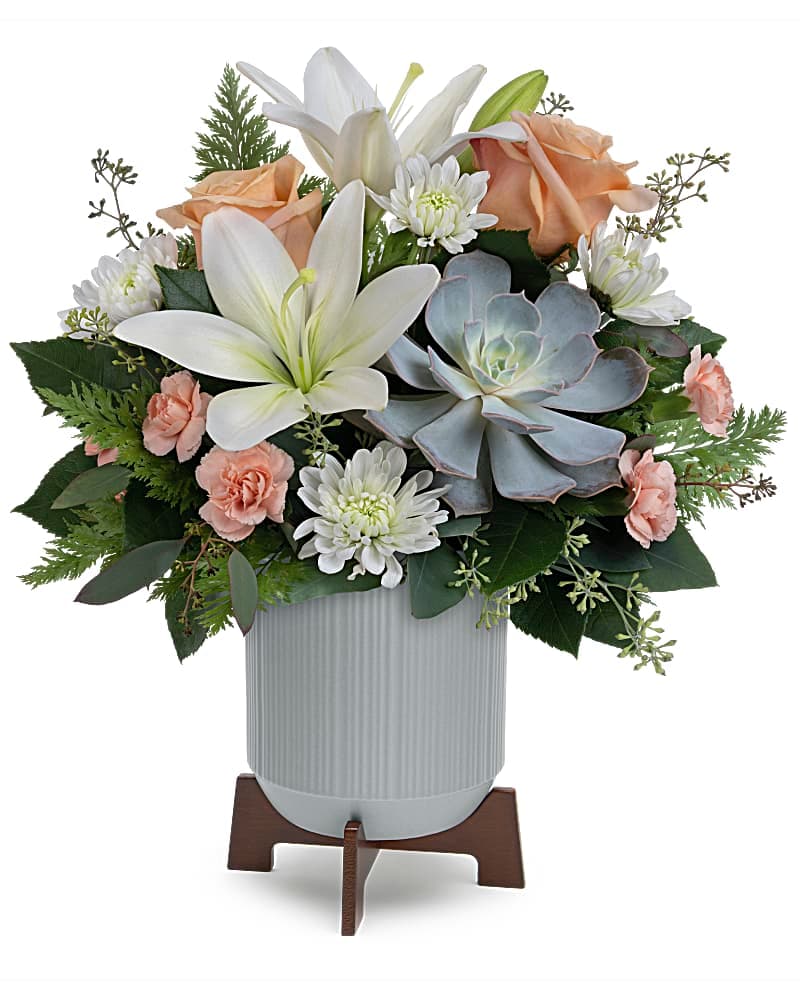
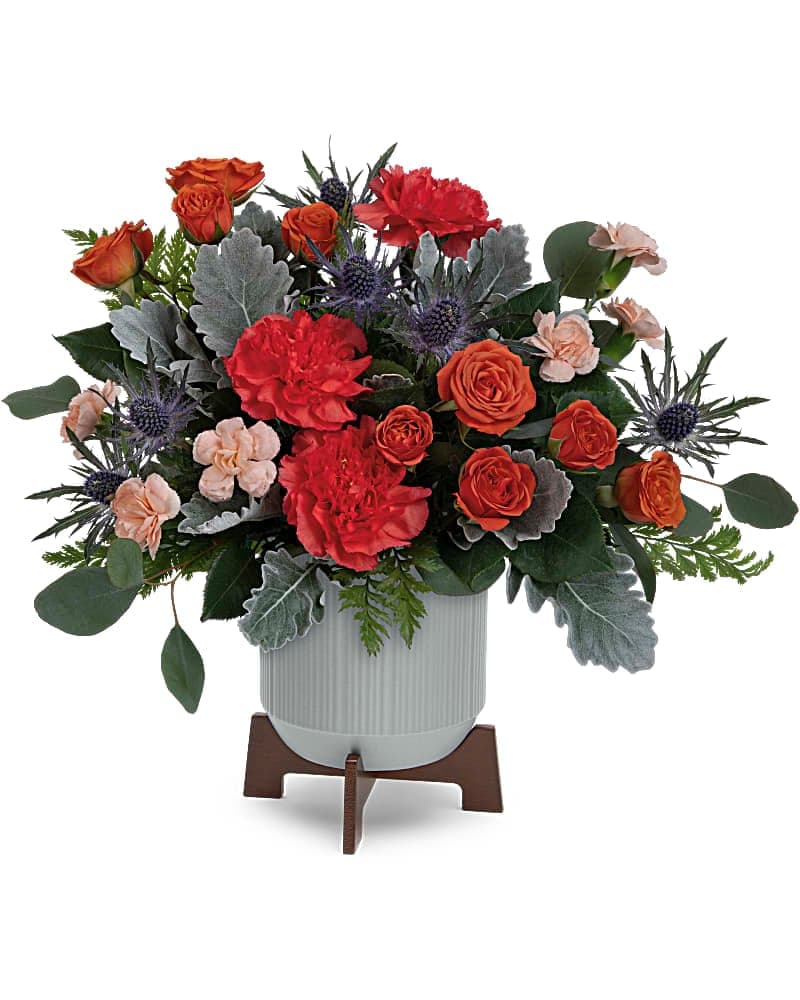
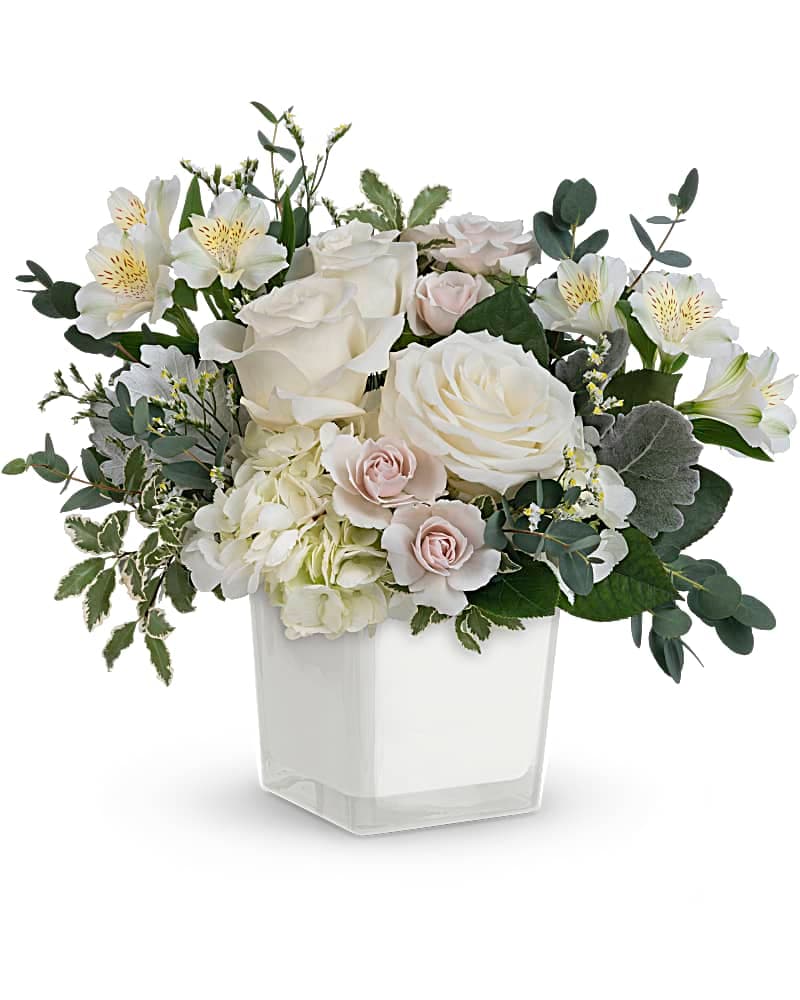
Then the rules, because a get-well arrangement that cannot be taken into the room is worse than no arrangement. Intensive care units very often refuse flowers and plants entirely, and neonatal intensive care always does — no exceptions, no negotiating, and a driver who arrives at a NICU with a vase leaves with it. Oncology, bone marrow and stem-cell transplant units apply the strictest rules of all: for immunocompromised patients, potting soil is a fungal-spore risk, so live plants and dish gardens are out even where cut flowers are allowed. Lilies are the single most common mistake — heavy scent in a small room, pollen that stains everything it touches, and a smell that is genuinely hard on a patient mid-chemotherapy. Latex balloons are banned outright at most hospitals because of latex allergy; ask for mylar if you want a balloon at all. And the room itself is smaller than you are picturing: a bedside tray table shares space with a water jug, a phone, a call button and a meal tray, so a low, compact build in a small unbreakable vessel is the design that survives. Tell us the unit when you order and the studio builds to its rules instead of guessing.
More than half of the get-well volume on this grid never touches a hospital. It goes to a house in 75013 or 75002 — someone six days out from a knee replacement in Twin Creeks, a Star Creek teenager off their feet after an Allen ISD sports injury, a Bethany Lakes grandparent home from a stay with a walker in the hallway, a Suncreek parent flattened by pneumonia. Home get-well deliveries follow their own rules. The recipient is often not mobile enough to answer the door quickly, so a mobile number on the order is essential and a note like *knock loudly, slow to the door* is genuinely useful. North Texas heat is the other factor: from June through September the driver will not leave an arrangement on an open porch, because a west-facing brick entry past 100°F wilts a vase build inside an hour, and in a January ice event the same rule applies in reverse. Ask for a vase rather than wrap — a person on crutches or one-handed in a sling should not have to find a vessel, trim stems and fill it. And if there are cats in the house, say so, because lilies are toxic to cats and a well-meant bouquet turns into an emergency vet visit.